

Building a Trustworthy Brand: The Foundation of Your Marketing
Your brand is more than just a name; it’s the promise you make to your customers. For home service businesses, where trust and reliability are paramount, a strong brand identity is the bedrock of your marketing efforts. It’s the first impression you make, often before a customer even speaks to you. A well-crafted plumbing company logo, for instance, can instantly convey professionalism, competence, and a commitment to quality, setting you apart from the competition.
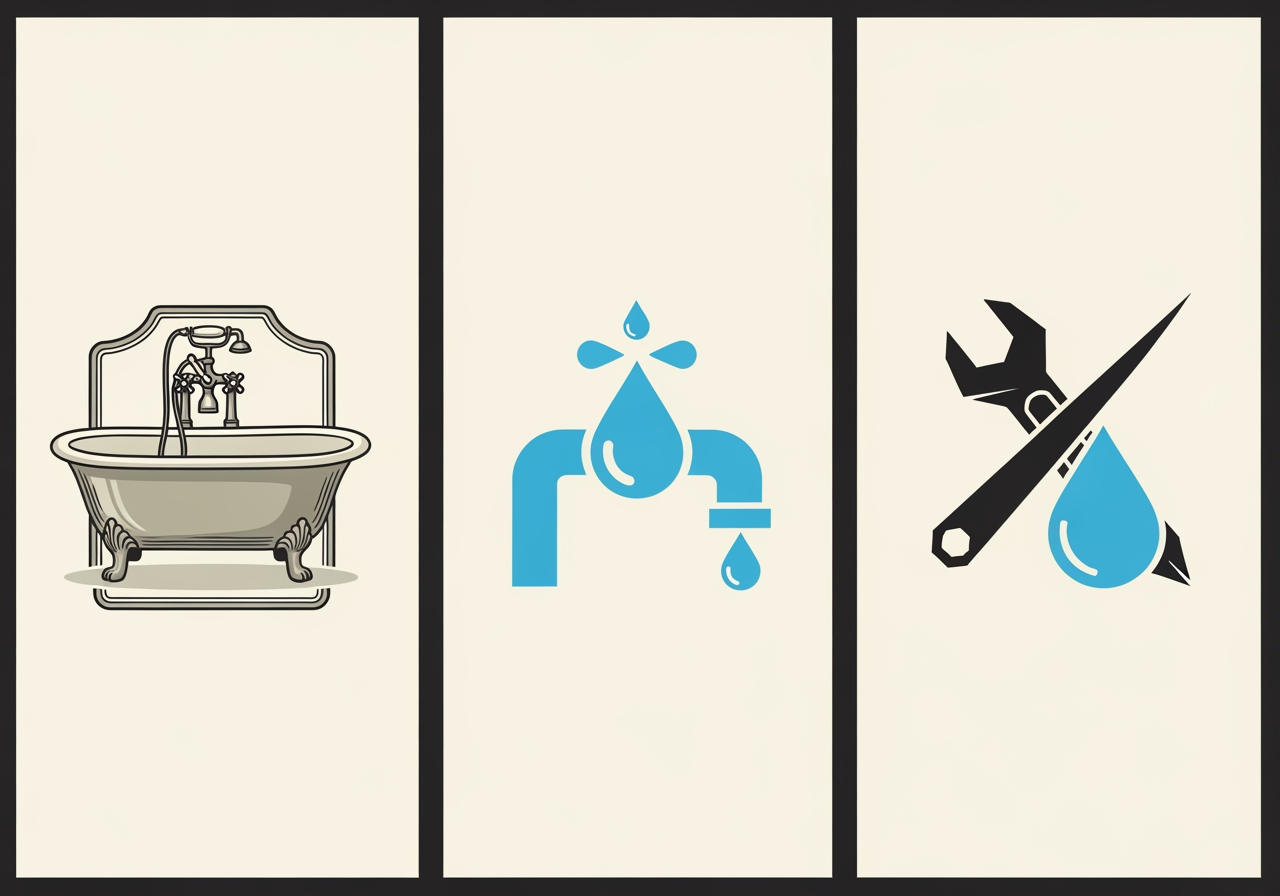
Essential Logo Elements
A truly effective logo for a home service company, whether for plumbing, HVAC, or electrical work, integrates several key elements:
- Company Name: Clearly displayed and legible, ensuring immediate recognition.
- Relevant Imagery: Visual cues that instantly communicate your industry. For plumbers, this might be a wrench, a water drop, or a pipe.
- Memorable Design: Simple yet distinctive, making it easy for customers to recall and differentiate your brand.
- Scalability: The logo must look good and remain clear across all applications, from a small business card to a large vehicle wrap or billboard.
- Color Psychology: Colors evoke emotions and associations. Blues often signify trust, reliability, and cleanliness—perfect for water-related services. Greens can suggest eco-friendliness or growth, while reds might convey urgency or energy, suitable for emergency services.
- Typography: The font choice should align with your brand’s personality. Bold, sans-serif fonts often communicate strength and modernity, while a more classic serif font might suggest tradition and established expertise.
Common Imagery and Symbolism
The visual language of a plumbing logo often draws from familiar tools and elements of the trade. We frequently see:
- Wrenches & Tools: Directly symbolizing repair, maintenance, and expertise.
- Pipes & Fittings: Representing the core infrastructure of plumbing systems.
- Water Drops & Faucets: Evoking water, cleanliness, and the flow of service.
- Houses & Shields: Suggesting protection, home comfort, and reliability.
- Abstract Shapes: Modern designs might use abstract forms that subtly hint at water flow, connections, or problem-solving.
While these symbols are common, the key is to use them creatively to ensure your logo stands out rather than blending in with generic designs.
Professional Design vs. DIY Tools
Numerous AI logo makers and online tools offer quick and affordable ways to create a logo. These can be useful for initial inspiration or for businesses with extremely limited budgets. However, for a home service company aiming for long-term success and a strong brand presence, we believe investing in professional design offers significant advantages:
- Uniqueness: Professional designers create custom logos custom to your specific brand story, values, and target audience, ensuring it’s distinct from competitors. AI-generated logos, while varied, often draw from common templates and may lack true originality.
- Copyright Ownership: A custom-designed logo typically comes with full copyright ownership, protecting your brand identity. Many free or AI-generated logos may not offer this level of legal protection, leaving you vulnerable to others using similar designs.
- Brand Strategy: A professional designer doesn’t just create an image; they help translate your business’s mission and values into a visual identity that resonates with your ideal customers. This strategic approach ensures your logo is not just pretty, but purposeful.
- Long-Term Value: A professionally designed logo is an investment that pays dividends over time. It builds credibility, fosters customer loyalty, and can be consistently applied across all your marketing channels, from your website to your uniforms, vehicles, and social media profiles.
While stock photos and vectors offer a vast library of visual assets (with over 52,000 plumbing logo stock items available royalty-free), these are generic starting points. A truly impactful logo requires bespoke creativity.
Your Digital Storefront: Creating a High-Converting Website
Once your brand identity, anchored by a strong logo, is established, your next crucial step is to build an effective online presence. In the modern business landscape, your website is far more than just an online brochure; it’s your 24/7 virtual sales representative. A high-converting website for a home service business is designed to do one thing: turn visitors into leads and booked jobs. It builds customer confidence, streamlines the user experience (UX), and is optimized for lead capture.
The Core Tenets of a Winning Home Service Website
To truly serve as a powerful lead-generation tool, your website must adhere to several fundamental principles:
- Mobile-First Design: With over 50% of all general contractor website queries happening on mobile devices, and a significant portion of U.S. online traffic coming from smartphones and tablets, your website must be designed first and foremost for mobile users. Google also prioritizes mobile-friendly sites in search rankings.
- Fast Loading Speed: In our world, patience is scarce. Studies show that 40% of users will abandon a webpage if it takes longer than three seconds to load. Even a one-second delay can cause a 7% reduction in conversions. A speedy site keeps visitors engaged and improves your search engine ranking.
- Website Security (HTTPS): A secure website, indicated by “HTTPS” in the URL, is non-negotiable. It protects customer data, builds trust, and is a ranking factor for search engines. Customers are hesitant to share personal information on insecure sites.
- Clear Calls-to-Action (CTAs): Every page should have clear, compelling CTAs that guide visitors to the next step, whether it’s “Call Now for Emergency Service,” “Schedule an Appointment Online,” or “Get a Free Quote.”
- Easy Navigation: An intuitive and user-friendly navigation structure ensures visitors can quickly find the information they need, whether it’s about your services, service areas, or contact details.
Essential pages for a trade website typically include:
- Home: A welcoming overview of your services and value proposition.
- About Us: Your company’s story, mission, and team, building trust and rapport.
- Services: Detailed descriptions of what you offer (e.g., drain cleaning, water heater repair, HVAC installation).
- Service Areas: Clearly defining where you operate to attract local customers.
- Contact: Multiple ways for customers to reach you (phone, email, contact form).
- Blog: Valuable content that answers common customer questions and boosts SEO.
Content That Converts
Beyond the technical aspects, the quality of your website’s content is paramount. It needs to inform, persuade, and build trust:
- Detailed Service Descriptions: Clearly explain what each service entails, the benefits to the customer, and what sets your company apart.
- High-Quality Photos & Videos: Showcasing your team, equipment, and actual work can significantly increase engagement and credibility.
- Customer Testimonials & Reviews: Authentic feedback from satisfied clients is incredibly powerful. Over 92% of consumers are more likely to purchase a product or service if they’ve read a trusted review.
- SEO-Friendly Copy: Integrate relevant keywords naturally throughout your content to help search engines understand what your business is about and rank you higher for relevant searches.
- Company Values & Expertise: Communicate your commitment to customer satisfaction, ethical practices, and the expertise of your technicians.
Mastering Search Engines: A Guide to Marketing for Trades
Even the most beautifully designed website with compelling content won’t generate leads if potential customers can’t find it. This is where mastering search engines becomes critical for home service businesses. Your goal is to ensure your company appears prominently when local customers search for the services you provide, maximizing your search engine visibility and ultimately your return on investment.
Key SEO Strategies for Marketing for Trades
Search Engine Optimization (SEO) is the process of optimizing your website and online presence to rank higher in search engine results. For home service companies, local SEO is particularly vital.
- Local SEO: This focuses on optimizing your online presence to attract customers in your specific geographic service areas. It involves optimizing your Google Business Profile (formerly Google My Business), ensuring consistent Name, Address, Phone (NAP) information across all online directories, and building local citations.
- Google Business Profile Optimization: Your Google Business Profile is often the first thing potential local customers see. Optimize it with accurate information, high-quality photos, service descriptions, and encourage customer reviews.
- On-Page SEO: This includes optimizing individual web pages with relevant keywords in titles, headings, meta descriptions, and body content. Ensure your website’s structure is logical and easy for search engines to crawl.
- Content Marketing & Blogging: Creating valuable content, such as blog posts addressing common plumbing problems, maintenance tips, or seasonal advice, not only establishes your authority but also helps your website rank for a wider range of keywords.
- Backlink Building: Acquiring high-quality backlinks from other reputable websites signals to search engines that your site is a trusted resource, boosting your domain authority and search rankings.
Paid Advertising: A Powerful Tool in Marketing for Trades
While SEO builds organic visibility over time, paid advertising offers immediate exposure and targeted reach.
- Pay-Per-Click (PPC): Platforms like Google Ads allow you to bid on keywords, displaying your ads at the top of search results. You only pay when someone clicks on your ad, making it a highly measurable form of advertising.
- Google Local Services Ads (LSAs): These ads appear at the very top of Google search results for specific service queries (e.g., “plumber near me”). Businesses must pass Google’s screening and background check to earn a “Google Guaranteed” badge, which significantly builds customer trust. You only pay for qualified leads, not just clicks.
- Microsoft (Bing) Ads: Don’t overlook Bing! It powers a significant percentage of U.S. desktop searches and can offer a less competitive and potentially more affordable advertising channel compared to Google Ads.
- Retargeting Campaigns: These ads target users who have previously visited your website but didn’t convert. By reminding them of your services, retargeting can significantly increase conversion rates, as customers who see retargeted ads are 70% more likely to convert.
Beyond Search: Engaging Customers and Managing Your Reputation
While search engines are crucial for initial findy, building a thriving home service business requires ongoing customer engagement and meticulous reputation management. This fosters social proof, builds brand loyalty, and drives customer retention.
Leveraging Social and Local Platforms
Social media and neighborhood-focused platforms offer unique opportunities to connect with your community and showcase your expertise.
- Facebook Marketing: Beyond just posting updates, Facebook allows for targeted advertising to specific demographics, including homeowners in your service area. Video ads, for instance, can be used to build trust by demonstrating solutions to common problems or introducing your team.
- Nextdoor Local Deals: Nextdoor is the #1 neighborhood app, and its “Local Deals” feature allows hyper-local targeting, reaching residents within a specific radius. It’s an excellent platform for showcasing special offers and leveraging community recommendations.
- Building Community Trust: Regularly engaging with local groups, sharing helpful tips, and participating in community discussions can position your company as a trusted local expert.
- Showcasing Work: Use platforms like Instagram and Facebook to visually demonstrate your work, share before-and-after photos, and highlight satisfied customers (with their permission, of course).
The Critical Role of Online Reviews
Online reviews are arguably the most powerful form of social proof in today’s market. Over 92% of consumers are more likely to purchase a product or service if they have read a trusted review about it. They impact purchasing decisions more than almost any other factor.
- Customer Trust Signals: High star ratings and positive testimonials act as strong trust signals, reassuring potential customers about the quality and reliability of your services.
- Impact on Purchasing Decisions: Consumers actively seek out reviews before making a hiring decision. A strong collection of positive reviews can be the deciding factor between you and a competitor.
- Responding to Reviews: Actively responding to both positive and negative reviews demonstrates your commitment to customer service and transparency. It shows you value feedback and are dedicated to resolving issues.
Top review sites for trades include:
- Google Business Profile: Essential for local search and overall credibility.
- Yelp: A widely used platform, especially for local services.
- Angi (formerly Angie’s List): A long-standing platform for home service reviews.
Consistently encouraging satisfied customers to leave reviews and proactively managing your online reputation are ongoing tasks that yield significant returns.
Frequently Asked Questions about Online Marketing for Trades
Why is a professional logo so important for a trade business?
A professional logo acts as the face of your company, conveying trust, quality, and reliability at a glance. It’s a critical first impression that differentiates you from competitors and builds brand recognition across all marketing materials, from your website to your work van. In an industry where customers often make quick decisions based on perceived professionalism, a strong logo communicates competence and helps establish your brand’s authority.
Should my business focus on SEO or PPC first?
For long-term, sustainable growth, SEO is fundamental as it builds organic authority and provides a consistent stream of free traffic over time. However, PPC (Pay-Per-Click) can deliver immediate leads and is excellent for testing markets, promoting specific services, or quickly filling gaps in your schedule. A balanced strategy often uses both, with PPC providing initial traction and market insights while a robust SEO foundation is built. If budget is a major constraint, starting with strong local SEO and a well-optimized Google Business Profile can provide significant organic visibility.
How can I encourage customers to leave online reviews?
The best way is to provide exceptional service and then make it easy for them to leave a review. Follow up with satisfied customers via email or text with a direct link to your Google Business Profile or preferred review site. Many businesses also find success by simply asking a happy customer in person if they would be willing to share their experience online. Make the process as frictionless as possible, and consider a subtle reminder on invoices or service completion forms.
Conclusion
Dominating online search for your home service business is an achievable goal, but it requires an integrated strategy and continuous effort. From crafting a memorable plumbing company logo that instills trust and professionalism, to building a high-converting website, mastering search engine visibility, and actively managing your online reputation, every piece of the puzzle contributes to your success.
By embracing a comprehensive approach to digital marketing for home services, you’re not just attracting more leads; you’re building a resilient, future-proof business that stands out in a competitive market. We believe that with the right strategies, data-driven decisions, and a commitment to continuous improvement, your home service company can achieve sustainable growth and truly dominate online search.
Veeramachineni Lalitha

I am Finance Content Writer. I write Personal Finance, banking, investment, and insurance related content for top clients including Kotak Mahindra Bank, Edelweiss, ICICI BANK and IDFC FIRST Bank. My experience details : Linkedin