

Bed bugs, notorious for their resilience and ability to cause significant distress, continue to challenge pest control experts and homeowners alike. As urbanization increases and global travel becomes more prevalent, the spread of these pests has amplified, leading to a surge in demand for effective extermination methods. This article delves into the latest trends in bed bug extermination, exploring innovative approaches and technologies that are shaping the future of pest control.
Understanding Bed Bug Behaviors
Before embarking on extermination strategies, it is crucial to understand the behavior of bed bugs. These pests are adept at hiding in small crevices and can survive for extended periods without feeding. Their ability to reproduce rapidly exacerbates the problem, making early detection and intervention vital. Recent studies have focused on the development of pheromone traps and advanced detection systems that can identify infestations early, allowing for targeted treatments.
Innovative Extermination Techniques
The traditional methods of chemical treatments and heat applications remain popular; however, new technologies are emerging in the battle against bed bugs:
1. Biological Controls
One of the most promising areas of research is the use of biological controls. Certain natural predators and pathogens are being explored as potential bed bug exterminators. For example, researchers are examining the use of fungal pathogens that specifically target bed bugs, offering a natural and environmentally friendly solution.
2. Cryonite Treatment
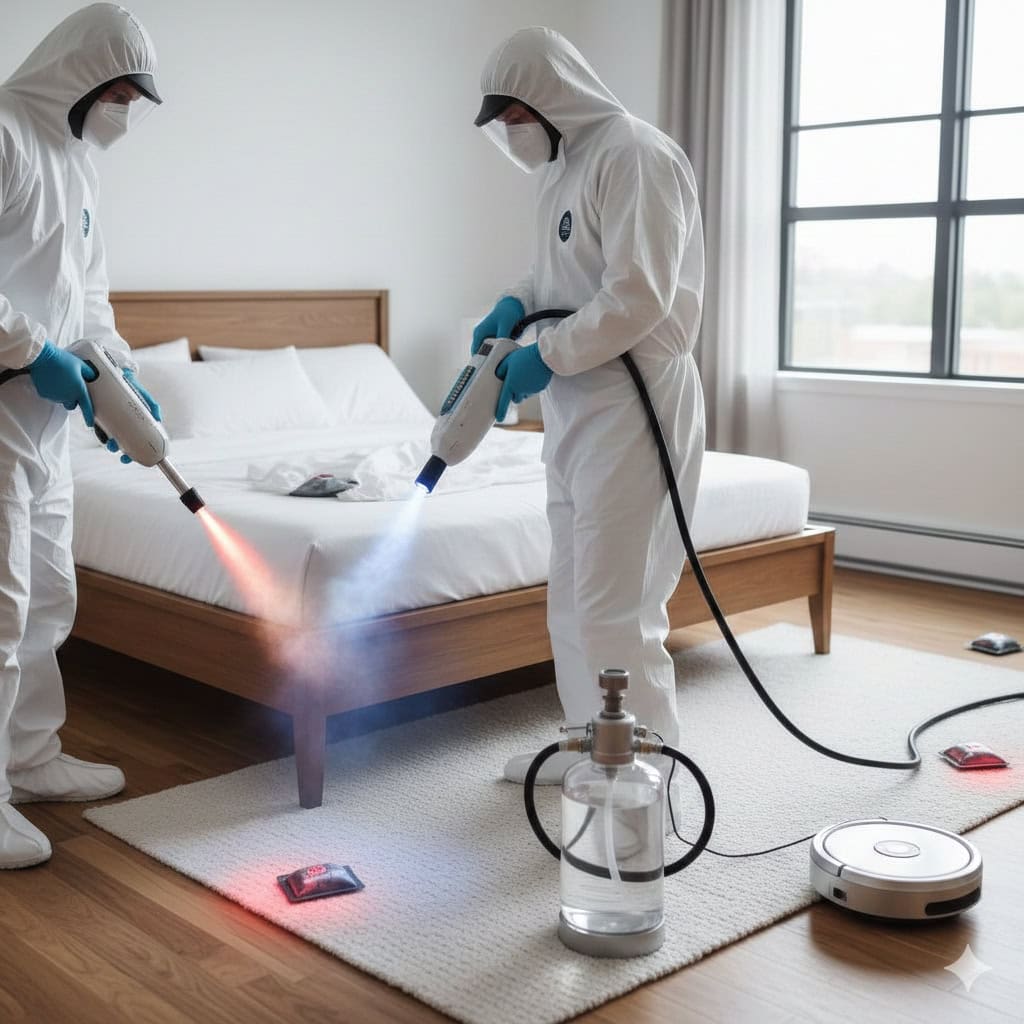
Cryonite treatment, which involves the application of liquid carbon dioxide, freezes bed bugs and their eggs instantly. This method is gaining popularity due to its non-toxic nature and effectiveness in reaching bugs in deep hiding places. It also allows for immediate reoccupation of treated areas, making it a convenient choice for homeowners and businesses.
Advancements in Detection Technology
Early detection is key to controlling bed bug infestations. Recent advancements in detection technology include:
1. Canine Scent Detection
Specially trained dogs are now being used to sniff out bed bugs with high accuracy. Their ability to detect even small numbers of bugs can significantly enhance the success rate of extermination efforts.
2. Electronic Monitoring Systems
Innovative electronic monitoring systems have been developed to detect bed bug movements and alert homeowners to their presence. These systems often use a combination of sensors and machine learning algorithms to provide real-time data on infestations.
The Role of Integrated Pest Management (IPM)
Integrated Pest Management (IPM) combines multiple strategies to manage bed bug populations effectively. This approach emphasizes prevention, monitoring, and control, using a variety of techniques to minimize the reliance on chemical treatments. Education plays a critical role in IPM, empowering homeowners with knowledge on prevention and early detection.
The Future of Bed Bug Extermination
As the pest control industry continues to innovate, the future of bed bug extermination looks promising. With ongoing research into new methodologies and technologies, the goal is to develop solutions that are not only effective but also environmentally sustainable and safe for humans and pets.
While the focus of this article has been on bed bug extermination, it’s important to remember that comprehensive pest control often involves addressing a range of pests. For example, those in Huntsville might also be interested in exploring Termite treatment Huntsville options to protect their homes from other invasive species.
In conclusion, staying informed about the latest trends and advancements in bed bug extermination is essential for both pest control professionals and homeowners. By embracing innovative technologies and adopting an integrated approach, we can effectively combat the bed bug menace and secure a pest-free environment.
Veeramachineni Lalitha

I am Finance Content Writer. I write Personal Finance, banking, investment, and insurance related content for top clients including Kotak Mahindra Bank, Edelweiss, ICICI BANK and IDFC FIRST Bank. My experience details : Linkedin