

Key Takeaways
- Downsizing offers substantial savings on mortgage payments, taxes, and utilities.
- Less space often means lower upkeep, freeing time for activities you love.
- Decluttering during the move can foster a more organized, less stressful environment.
- Careful planning is essential to avoid common downsizing pitfalls.
Downsizing your home can be a transformative life choice, offering far more than just a move to a smaller space. For many—whether empty nesters, those nearing retirement, or anyone seeking a simpler lifestyle—the shift isn’t merely about square footage. It’s about new opportunities, less stress, and greater financial freedom. If you’re considering making this change and want to keep the process seamless, a cash buyer can help you sell quickly and confidently. By evaluating all the advantages of downsizing, you can decide if it’s the right step for your unique situation.
From reduced monthly bills to fewer daily responsibilities, a smaller home provides a host of benefits. For many Americans overwhelmed by the upkeep and costs of larger properties, moving into a cozier home is a way to gain freedom. The process also often includes decluttering, which leads not only to a cleaner space but also to greater mental clarity and lower stress.
As the housing market evolves, more people are choosing to downsize for greater flexibility and efficiency. This trend is especially popular in regions where the cost of living remains high, and the benefits are felt in daily routines and longer-term financial health. Planning is key, ensuring that each phase—from deciding what to keep to choosing a new location—leads to a smoother transition and a satisfying result.
Financial Benefits of Downsizing
The most immediate and measurable perk of downsizing is the financial reward. Smaller homes typically translate into lower monthly payments, including mortgage payments, property taxes, and utility bills, and many homeowners choose to simplify the process by working with buyers like https://www.clevelandhousebuyers.com/, a local real estate solution focused on helping sellers move on quickly and efficiently. Those who trade a large family house for a more modest property often walk away with profits that can pad retirement funds or pay off debts. Plus, ongoing expenses, from insurance to energy, are significantly lower, making long-term budgeting far more manageable.
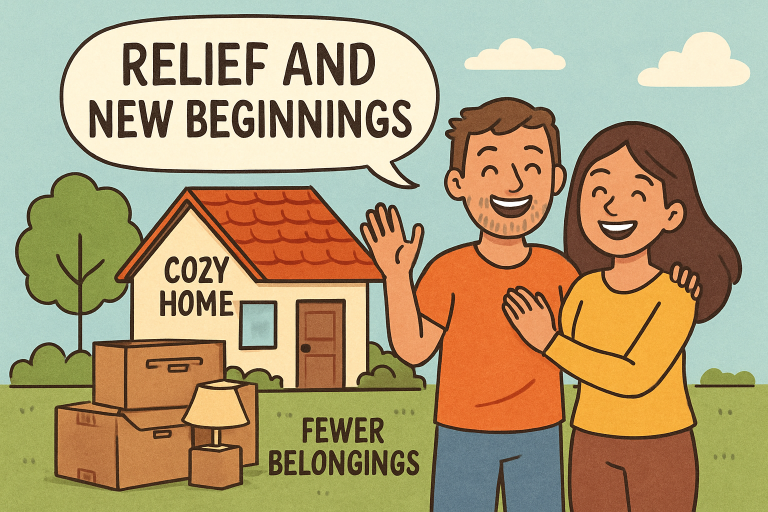
Maintenance costs also drop with fewer rooms to clean or repair. The funds saved can be redirected toward travel, hobbies, or investing in other long-term objectives, helping you achieve greater financial independence.
Enhanced Lifestyle and Reduced Maintenance
Downsizing isn’t just about money—it’s about quality of life. A smaller home is easier to manage, taking the pressure off tasks like yard work and home repairs. This extra time can be spent on activities you genuinely enjoy, strengthening connections with family and friends, or pursuing your passions rather than chores. For retirees, these advantages are especially significant, enabling more travel and greater enjoyment of their newfound freedom.
Decluttering and Simplifying Possessions
One natural part of moving to a smaller home is streamlining your possessions. This process challenges you to evaluate every item for its practical value and emotional significance. Paring down possessions can leave you with an orderly environment and less stress. Many people find that fewer things translate to greater peace of mind and a renewed appreciation for what they have. Major publications such as Kiplinger often recommend decluttering to create a happier, healthier home environment. Beyond the physical benefits, decluttering can also lead to better daily routines and easier home maintenance. With less clutter competing for your attention, it becomes simpler to focus on meaningful activities and enjoy a more intentional, comfortable lifestyle.
Environmental Impact
A smaller home usually means a lower carbon footprint. Heating, cooling, and lighting require less energy, cutting both costs and environmental impact. Downsizing can prompt more sustainable habits, helping homeowners become more mindful of their consumption and waste. This lifestyle shift supports not just personal goals but also the health of the planet.
Potential Challenges and Considerations
Despite its many upsides, downsizing can involve hurdles. Today’s fast-moving real estate market may limit your choices for smaller residences, and transaction fees for selling and buying homes can add up quickly. Additionally, leaving a long-owned family house can bring emotional challenges. Balancing practical and sentimental factors—such as proximity to loved ones or community ties—will ease your transition and ensure long-term satisfaction with your choice.
Steps to Successfully Downsize
- Assess Your Needs: Identify must-have features and key priorities for your new home, considering accessibility, location, and future lifestyle.
- Declutter Strategically: Sort possessions thoughtfully, keeping what’s essential or cherished, and donating or selling the rest.
- Research the Market: Compare available properties, focusing on those that meet both your needs and budget constraints.
- Plan the Move: Develop a detailed timeline, secure reliable movers or enlist family help, and coordinate the logistics for a smooth transition.
- Settle In: Create a comfortable, functional new space by arranging your belongings with care, ensuring your new home supports your new lifestyle.
Conclusion
For many, downsizing marks the beginning of a more fulfilling and manageable chapter of life. With less financial strain, reduced maintenance, and greater mental clarity, a smaller home enables you to focus on what truly matters. By preparing thoughtfully and leveraging available resources, you can ensure a positive transition—embracing both the financial relief and richer lifestyle that downsizing has to offer.
Veeramachineni Lalitha

I am Finance Content Writer. I write Personal Finance, banking, investment, and insurance related content for top clients including Kotak Mahindra Bank, Edelweiss, ICICI BANK and IDFC FIRST Bank. My experience details : Linkedin