

Key Takeaways
- The criminal justice process in Colorado involves arrest, arraignment, plea bargaining, trial, and sentencing phases.
- Your rights, including the right to remain silent and the right to an attorney, are crucial from the moment you are charged.
- Diverse types of charges, such as drug offenses, theft, and violent crimes, have different procedures and potential consequences.
- The penalties for criminal convictions in Colorado can include jail time, fines, probation, and collateral consequences such as employment or housing.
Table of Contents
- Understanding Criminal Charges in Colorado
- The Criminal Justice Process
- Types of Criminal Charges
- Potential Penalties and Consequences
- Key Rights and Defenses
- Working With a Criminal Defense Attorney
- Special Considerations in Colorado Criminal Law
- Conclusion
If you, a loved one, or someone you know is facing criminal charges in Colorado, it is essential to understand the legal process, your rights, and your options. Navigating the Colorado criminal justice system can be daunting for anyone unfamiliar with its intricacies. By equipping yourself with accurate information and strong legal representation, you can help protect your future. For in-depth guidance, consider trusted firms such as martinlawfirmpc.com to help you navigate your situation.
Colorado laws set out a framework of penalties and procedures, with unique features found in state statutes. Whether you are concerned with misdemeanors, felonies, or less common charges in specialized courts, understanding how charges work from arrest to possible sentencing is critical for mounting a defense.
Understanding Criminal Charges in Colorado
Criminal charges in Colorado range from minor infractions to severe felonies. The nature of your charge determines not only the potential penalties but also how complicated your case will be. Misdemeanors are considered less serious crimes and typically carry a maximum sentence of up to 18 months in county jail. Felonies, on the other hand, are more serious and come with the risk of state prison time, hefty fines, and a lasting criminal record.
Once charged, the case enters the public record, affecting background checks and potentially your employment or housing opportunities. Consulting with an experienced legal team can help you understand the gravity of your specific charge and your rights at every step.
The Criminal Justice Process
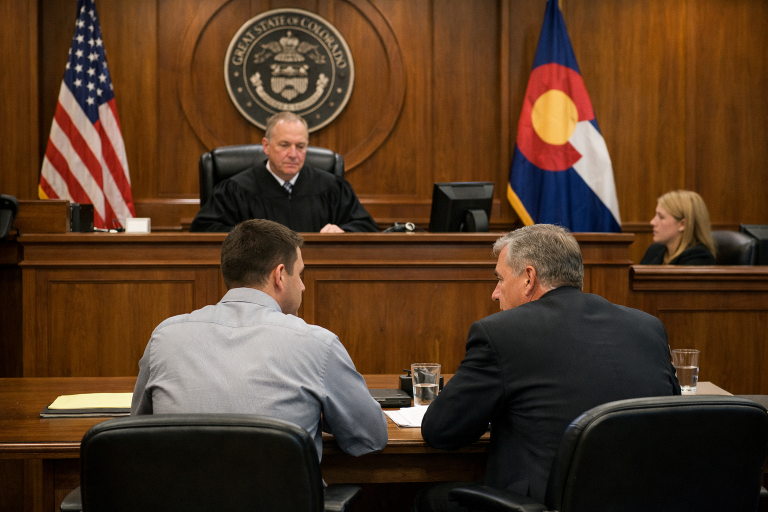
After an arrest, a defendant in Colorado will go through a structured process that may involve booking, a bond hearing, and an arraignment, where charges are formally presented. During arraignment, you will have the opportunity to respond to the charges by entering a plea.
The court process could then involve plea negotiations, pretrial motions, and, if necessary, a trial by judge or jury. Many cases are resolved through negotiated plea deals, but taking a case to trial may be necessary to protect your rights, especially if you believe you are not guilty.
Types of Criminal Charges
- Drug Charges: These include possession, distribution, or manufacturing of controlled substances. Sentencing depends on the type and quantity of the drug and whether the offense occurred near a school or with minors present.
- Property Crimes: Such as theft, burglary, arson, and criminal mischief. The penalty usually increases if the stolen or damaged property has a high value.
- Violent Crimes: Includes assault, robbery, sexual assault, and homicide. These carry the harshest sentences, but some may also have defenses based on lack of intent or self-defense.
- White Collar Crimes: Offenses such as fraud, embezzlement, or identity theft are charged based on the amount of money involved and often require complex evidence from both sides.
- DUI and Traffic Offenses: Colorado has strict DUI laws with required jail time and license suspensions for conviction, even for first-time offenders.
Potential Penalties and Consequences
Penalties for criminal convictions in Colorado can range from monetary fines and court-ordered community service to jail or state prison time. Felony convictions may result in a sentence of up to life in prison for serious offenses. There are also collateral consequences, such as losing your right to possess firearms, impacts on immigration status, and required registration for certain crimes like sex offenses.
Some offenses allow for alternative sentencing programs, including probation, work release, or participation in rehabilitation programs. The specifics of your sentencing depend on prior criminal history, the severity of your charge, and the defense strategy your attorney employs.
Key Rights and Defenses
Every defendant has important rights under both the United States and Colorado constitutions. These include the right to remain silent, the right to legal counsel, and the right to a trial before a jury of peers. Understanding these rights is foundational to a strong defense. Key defenses may include lack of intent, mistaken identity, challenging unlawful search and seizure, or establishing an alibi.
It is crucial to consult with an attorney before answering police questions or making statements. Exercising your rights early in the process can have a significant impact on the outcome of your case.
Working With a Criminal Defense Attorney
Having an experienced criminal defense lawyer in Colorado can help you understand your rights and develop a tailored defense. A knowledgeable attorney will review evidence, identify weaknesses in the prosecution’s case, and negotiate with prosecutors on your behalf. They may also explore pretrial diversions, plea bargains, or alternative sentencing options.
Hiring a local Colorado attorney who understands state law and the practices of the court where your case is filed is a major advantage. An early and effective legal defense can often lead to reduced charges or even a dismissal.
Special Considerations in Colorado Criminal Law
Colorado courts have specialized pathways for certain offenders, including juvenile courts for minors, mental health and drug courts for eligible nonviolent defendants, and domestic violence requirements for offenders convicted of crimes involving intimate partners. Colorado has also recently updated laws related to sealing criminal records for some offenses, which can help limit the long-term consequences of a conviction on your public record.
Conclusion
Understanding the criminal defense process in Colorado gives you the best chance at securing a favorable outcome. Remaining proactive, knowing your rights, and selecting the right defense strategy are key steps in facing criminal charges. If you are under investigation or have been charged with a crime in Colorado, consulting with an experienced defense team can make a significant difference for your future.
Veeramachineni Lalitha

I am Finance Content Writer. I write Personal Finance, banking, investment, and insurance related content for top clients including Kotak Mahindra Bank, Edelweiss, ICICI BANK and IDFC FIRST Bank. My experience details : Linkedin