

Key Takeaways
- Proactive well maintenance helps prevent most water pump issues.
- Early identification of warning signs can reduce repair costs and system downtime.
- Some repairs require professional attention for safety and effectiveness.
Table of Contents
- Low Water Pressure
- Pump Cycling Issues
- Air in the System
- Unusual Noises from the Pump
- Contaminated Water Supply
- Preventive Maintenance Tips
- When to Call a Professional
- Conclusion
Maintaining a private well is crucial for households that rely on groundwater as their primary water source. Taking a proactive approach to well system care helps avoid interruptions in water supply and costly repairs. Knowing how to spot potential water pump issues can save homeowners significant time, expense, and inconvenience. For those experiencing sudden pump malfunctions or needing professional assistance, water pump repair services are available to quickly bring systems back to working order.
Identifying the early warning signs of pump failure, understanding why issues happen, and acting appropriately are vital steps in keeping your well system running efficiently. Simple preventive steps, combined with periodic expert inspections, go a long way in minimizing downtime and ensuring access to safe water for daily life.
Besides pump repairs, understanding related services, such as well drilling, can help homeowners considering upgrades, new installations, or resolving chronic supply problems. Regular care and timely solutions enable well owners to maintain their systems for years to come.
Low Water Pressure
Low water pressure is a common issue for well owners and is influenced by various factors. Sediment or mineral buildup in pipes and filters can obstruct water flow, making regular cleaning or replacement of clogged filters vital for maintaining adequate pressure. Another frequent cause is a malfunctioning pressure tank, which can result in fluctuating or weak flow; thus, periodic inspections are recommended to prevent failures. Additionally, the pump’s aging reduces efficiency, necessitating monitoring and, if needed, replacement.
Pump cycling, which describes how often the water pump operates, also reveals underlying problems. Rapid cycling, or short cycling, often arises from a waterlogged pressure tank or a faulty pressure switch, wasting energy and damaging pump components. Conversely, continuous operation may indicate systemic leaks or pressure-switch issues, risking overheating and pump failure. Resolving these cycling issues promptly can prevent significant damage and reduce energy costs.
Air in the System
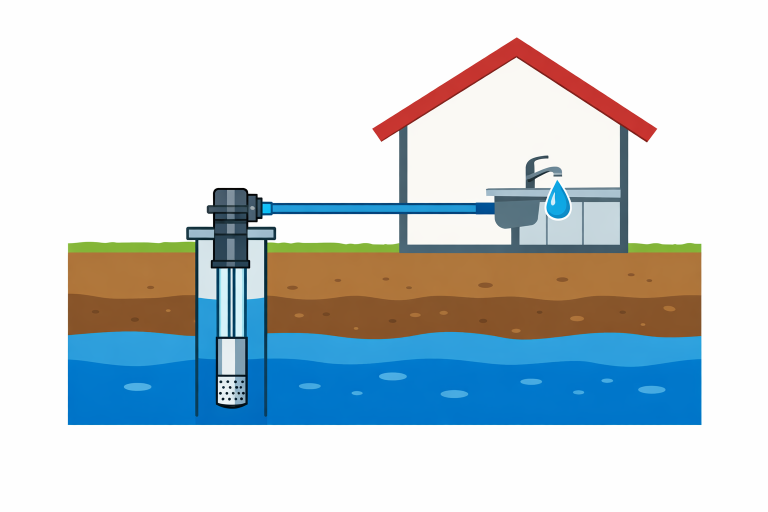
When air infiltrates a well water system, it can cause sputtering faucets, fluctuating flow, and even damage the pump. Two primary causes for this are low water levels in the well and leaks in the suction line. When groundwater drops below the pump intake, air is drawn in, disrupting water delivery. Regular monitoring of your well’s water level helps prevent this problem, especially during drought or high usage periods.
Leaks or cracks in the system’s suction line can also let air into the system. Ensuring that fittings and lines are free of damage through periodic inspection and maintenance will help homeowners avoid air-leak-related issues.
Unusual Noises from the Pump
Loud or unusual sounds, such as grinding, banging, or loud humming, often indicate a problem with the water pump. Worn bearings inside the pump motor can produce a notable grinding noise and should be replaced by a professional before further damage occurs.
Debris inside the pump may also cause noise and impair performance. Inspecting filters and ensuring that the well casing is intact helps keep sediment and foreign objects out of the pump. Early attention to these noises can prevent costly failures down the line.
Contaminated Water Supply
Changes in your water quality, like discoloration, an off taste, or an unpleasant odor, can be alarming. Surface water infiltration through cracks in the well casing can introduce bacteria, nitrates, and other contaminants. Local land use, such as agriculture or industrial activity, can also impact groundwater quality and lead to contamination. If you suspect problems with water quality, conducting routine testing and professional well inspections is crucial for safety. You can explore more water safety advice from the Centers for Disease Control and Prevention (CDC).
Preventive Maintenance Tips
Routine maintenance is key to reducing the risk of well and pump failures. Annual inspections from qualified professionals can identify potential issues before they escalate. Homeowners are also encouraged to conduct an annual water quality test to identify contaminants early and protect household health.
Flushing the system every year removes sediment and prevents buildup that can compromise pump performance. Maintaining records of repairs, servicing dates, and any observed changes in water quality will also support proactive care and help technicians provide more accurate assessments when needed.
When to Call a Professional
While some basic maintenance tasks can be managed by the well owner, more complex or hazardous problems are best left to the experts. Electrical problems, major component replacements such as pressure tanks or pumps, and ongoing unresolved water quality concerns all require professional evaluation and repair to ensure safety and compliance with regulations.
With the right knowledge and maintenance routines, homeowners can maximize the longevity and performance of their well systems, providing their families with a safe and dependable water source for years to come.
Conclusion
In summary, a well water system operates optimally when regularly monitored and maintained. Problems such as low water pressure, air pockets, strange pump sounds, and water contamination tend to escalate if not addressed promptly. By recognizing these warning signs and taking early action, homeowners can avoid expensive repairs, prolong the lifespan of their equipment, and guarantee a consistent water supply. Regular maintenance activities, such as inspections, cleaning, and water testing, are vital for system efficiency and safety. It is equally important to know when to engage a professional for more complicated issues. By adopting a proactive strategy and acting in a timely manner, homeowners can safeguard their investments and health, ensuring access to clean and reliable water for the long term.
Veeramachineni Lalitha

I am Finance Content Writer. I write Personal Finance, banking, investment, and insurance related content for top clients including Kotak Mahindra Bank, Edelweiss, ICICI BANK and IDFC FIRST Bank. My experience details : Linkedin