

Table of Contents
- Importance of User Profile Pages
- Essential Elements of a User Profile Page
- Design Principles for User Profile Pages
- Mobile Responsiveness and Accessibility
- Security and Privacy Considerations
- Real-World Examples of Effective Profile Pages
- Conclusion
Creating an effective user account profile page is one of the most important aspects of digital product design. An account profile serves as a central hub for users to update personal information, adjust preferences, and curate their digital presence. When done well, it encourages engagement and supports a positive user experience, helping platforms build meaningful relationships with their users. If you are searching for real-world examples, you can browse a showcase of web profile designs to observe best-in-class interfaces.
User account pages are much more than mere repositories of personal information. They form the backbone of personalization, trust, and consistent interaction with any app or service. When users find it easy and intuitive to manage their profiles, they are more likely to stay active, contribute content, and recommend your service to others. This makes profile page optimization an essential part of user-centered product development, especially as digital interactions become increasingly personalized.
Importance of User Profile Pages
User profile pages play an integral role in shaping user experience. By centralizing key personal information and preferences, they empower users to take ownership of their online identities. Well-constructed profiles enable platforms to offer tailored content, streamline customer support, and facilitate social interactions, thereby contributing to higher retention and improved brand loyalty.
Alongside their utility, profile pages are a crucial point of contact between a brand and its users. Providing a welcoming, intuitive, and flexible account management hub is instrumental in building trust and credibility. Users expect autonomy over their personal information and quick access to communication and support channels. Meeting these expectations can directly influence a platform’s reputation and user retention rates.
Essential Elements of a User Profile Page
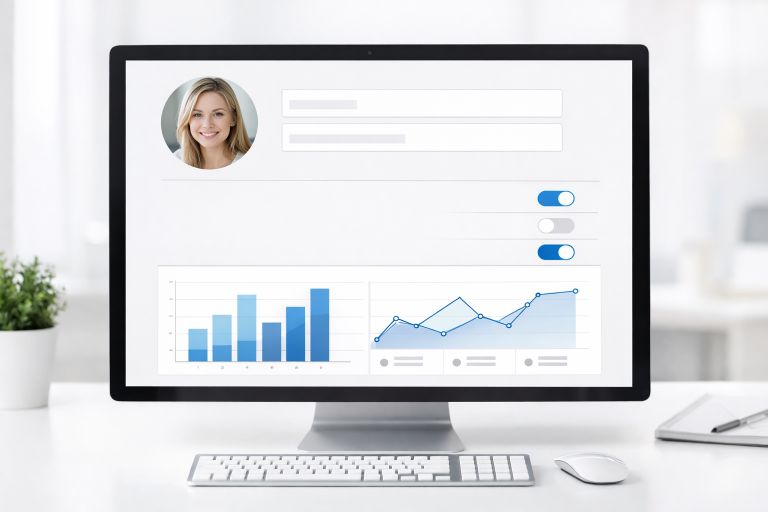
A user profile page should be clear, organized, and comprehensive. The following key elements should be included to make the profile both functional and inviting:
- Profile Picture: An identifiable, high-resolution image that gives users a sense of ownership and personalization.
- Username and Display Name: Unique identifiers that foster recognition and community within the platform.
- Contact Information: Secure fields for email addresses, mobile numbers, and optional links to social profiles, ensuring easy communication and multi-platform integration.
- Bio or About Section: An area where users can introduce themselves with a personal statement, interests, or background details.
- Account Settings: Options to control preferences such as notifications, privacy visibility, connected accounts, and theme customization.
- Activity Summary: Displays recent actions, achievements, order history, or community participation. This not only informs the user about their interactions but also helps gamify or encourage ongoing engagement.
Each element should be intuitively placed and easy to update. This simplicity ensures users can manage their profiles effortlessly, resulting in a better overall experience.
Design Principles for User Profile Pages
Following fundamental design principles is essential to creating a user-centric profile page. These principles include:
- Clarity: Use straightforward language for labels, buttons, and tooltips. Ensure icons and navigation pathways make sense within the overall design system.
- Consistency: Styles, colors, and interface behavior should remain uniform throughout the profile page and the broader application, creating familiarity and reliability in user interactions.
- Accessibility: Prioritize text enlargement features, ensure compatibility with screen readers, and use color palettes with strong contrast for visually impaired users. Accessibility should never be an afterthought.
- Responsiveness: Design layouts that adjust intuitively for various devices, from desktops to tablets and smartphones. Grid systems and fluid containers can help maintain order and usability.
- Feedback: Offer immediate visual or textual feedback after actions such as form submissions or preference updates. Confirmation messages and error handling enhance the user’s sense of control.
Designers should adopt a user-first mindset, focusing on minimizing cognitive load and ensuring users feel comfortable and empowered throughout the account management process. For additional guidance, authoritative resources like Smashing Magazine offer in-depth advice on enhancing user profile designs.
Mobile Responsiveness and Accessibility
As mobile usage continues to outpace desktop, designing with mobile responsiveness in mind is essential. A responsive profile page ensures consistent quality and usability across screen sizes and platforms. Components such as flexible image containers, readable font sizes, and collapsible menus contribute to a seamless mobile experience.
- Responsive Design: Utilize modern CSS and framework options for layouts that gracefully scale and rearrange as the viewport changes.
- Touch-Friendly Elements: Increase the size of buttons and interactive icons, and provide adequate spacing between elements for fingertip interaction.
- Accessibility Features: Beyond screen readers and font controls, implement keyboard navigation and support for assistive technologies to ensure a broad range of users can fully engage with your profile offering.
Embracing accessibility and responsiveness is a commitment to digital inclusion, ensuring that everyone, regardless of device or ability, enjoys full access to your platform’s features.
Security and Privacy Considerations
Security and privacy are foundational to user trust. Safeguarding user information and empowering strong privacy controls must be priorities during development and ongoing maintenance. Recommended practices include:
- Data Encryption: Protect sensitive information in transit and at rest using robust encryption protocols to prevent unauthorized access and breaches.
- Privacy Controls: Provide intuitive, granular controls that let users determine which information is visible publicly, to friends, or stays private.
- Regular Security Audits: Schedule periodic reviews of code, database security, and access logs to promptly identify and resolve vulnerabilities.
Visibility options, privacy settings, and data management tools should be easy for users to access, supporting compliance with regulations such as GDPR and CCPA. Insights from established publications like Wired can help ensure your security measures meet industry standards.
Real-World Examples of Effective Profile Pages
Industry leaders and research studies repeatedly show the value of thoughtfully designed user profiles. For example, case studies from industry experts and platforms highlight intuitive navigation systems, clear labeling, and personalized content as factors that directly improve user retention and platform trust. Another resource from Smashing Magazine demonstrates how good layouts, smart organization of settings, and accessibility directly benefit user engagement.
Effective pages from top platforms illustrate the impact of immediate feedback responses, mobile optimization, and multi-factor security controls, providing blueprints for both functionality and aesthetics.
Conclusion
A successful user account profile page results from strategic design, accessibility commitment, and strong security practices. By prioritizing user needs, offering clear customization options, ensuring full device and accessibility coverage, and upholding privacy, digital platforms create welcoming and trustworthy environments for ongoing user interaction and growth. These best practices will help you deliver engaging profile experiences that encourage users to return and participate in your platform’s community.
Veeramachineni Lalitha

I am Finance Content Writer. I write Personal Finance, banking, investment, and insurance related content for top clients including Kotak Mahindra Bank, Edelweiss, ICICI BANK and IDFC FIRST Bank. My experience details : Linkedin