

Key Takeaways
- Air duct cleaning is not a routine annual requirement for every Knoxville home.
- Visible contamination, pests, excessive debris, and particles leaving supply vents are meaningful warning signs.
- Filter changes, moisture control, repairs, ventilation, and source control are all important parts of indoor air care.
- Homeowners should request clear evidence, a written scope of work, and details about any proposed chemical treatment.
- Cleaning ducts without fixing a water leak, pest entry point, or damaged component may allow the problem to return.
Knoxville homeowners often notice dust near vents, a musty smell after a rainy stretch, or debris following a remodeling project and wonder whether air duct cleaning is the right next step. The answer depends on the condition of the HVAC system and the source of the problem, not simply on how long it has been since the ducts were last cleaned. For more information on air duct cleaning services, homeowners can visit air duct cleaning resources.
A forced-air system moves air through return grilles, filters, heating and cooling equipment, and supply ducts. Because these parts work together, a dusty register does not automatically mean the entire duct system is heavily contaminated or creating an indoor air concern.
Routine HVAC maintenance and duct cleaning are also different services. Maintenance may include checking equipment operation, replacing filters, inspecting coils or drain components, and identifying repair needs. Duct cleaning focuses on removing accumulated debris from accessible portions of the air distribution system and related components.
In East Tennessee, moisture from humid weather, water intrusion, and condensation can deserve as much attention as dust. A balanced decision begins with visible evidence and a clear understanding of what is causing the symptoms inside the home.
When discoloration, recurring musty odors, or water damage raise a concern about biological growth, a qualified mold inspection can help distinguish a moisture-related issue from ordinary surface dirt. Identifying and correcting the moisture source is essential before considering cleaning.
Signs Your Ducts May Need Attention
One clue does not always establish a serious duct problem. However, several signs together can justify a closer inspection of the HVAC system.
- Substantial visible mold-like growth on hard duct surfaces or HVAC components.
- Evidence of rodents, insects, droppings, nesting material, or damaged duct connections.
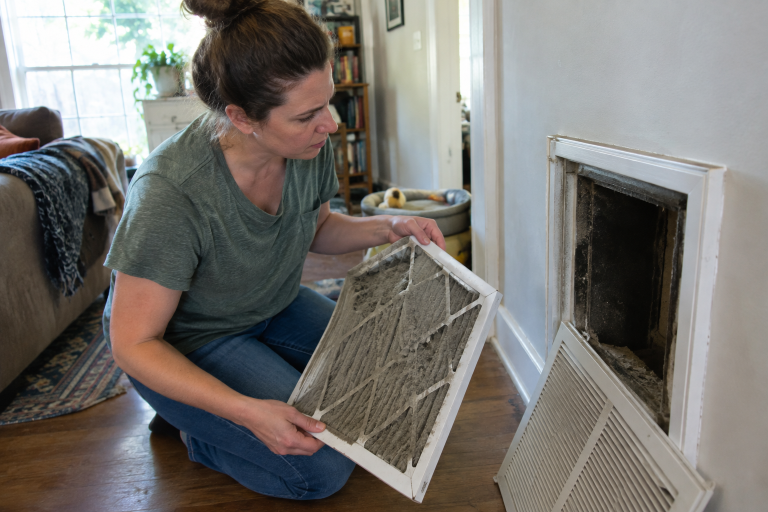
- Heavy debris around registers or noticeable particles blowing from supply vents while the system runs.
- Musty odors that continue after nearby rooms and surfaces have been cleaned.
- Wet insulation, water stains, condensation, or standing water near cooling equipment.
- Recent flooding, fire residue, extensive renovation dust, or a significant pest problem.
When Cleaning May Not Help
Cleaning is not a universal solution for allergies, odors, or dust. Particles may come from outdoor air, pets, carpeting, bedding, cooking, smoking, cleaning products, or gaps that allow unfiltered air into the home. A clogged or poorly fitted filter can be a simpler issue than contaminated ducts.
The EPA’s guidance on when air ducts should be cleaned advises against routine cleaning on a fixed schedule and identifies visible mold growth, vermin infestation, and excessive debris released from vents as conditions that may warrant service. It also emphasizes correcting the underlying cause first.
Cleaning cannot repair wet insulation, a leaking roof, a plumbing failure, disconnected ductwork, or an improperly draining condensate pan. When moisture remains, mold-like growth and odors can recur even after debris is removed.
How Indoor Air Quality Works
Indoor air quality is shaped by more than ductwork. The most practical approach combines source control, ventilation, filtration, humidity management, and regular equipment care. The EPA’s indoor air quality guide explains how reducing pollutants at their source, bringing in outdoor air when appropriate, and improving air cleaning can work together.
For example, using kitchen and bathroom exhaust fans helps move moisture and pollutants outdoors. Replacing HVAC filters as needed helps capture particles before they circulate through equipment. Repairing leaks promptly limits the water conditions that can affect ducts, insulation, and surrounding building materials.
What to Check Before Scheduling Service
- Check whether the HVAC filter is dirty, damaged, missing, or improperly seated.
- Check accessible supply vents and return grilles for any unusual buildup, staining, or debris.
- Note whether odors occur only when heating or cooling equipment operates.
- Look for water stains, dampness, condensation, or evidence of pests near accessible equipment.
- Consider recent events, including renovations, storm damage, flooding, or a long vacancy.
- Write down when symptoms began and which rooms appear to be affected.
What a Careful Service Visit Includes
A careful visit should begin with an explanation of the suspected issue rather than a broad promise to solve every air-quality concern. A provider should be able to describe the accessible system components, show photographs or other evidence when contamination is claimed, and explain which areas can and cannot be reached.
Appropriate work practices also include protecting floors and furnishings, collecting loosened debris rather than spreading it indoors, and reviewing the completed work. If a repair is needed, such as correcting a leak or replacing damaged insulation, that need should be clearly separated from cleaning.
Questions to Ask a Service Provider
- What specific condition did you find, and can you show me the evidence?
- Which parts of the HVAC system are included in the written scope of work?
- Will supply ducts, return ducts, grilles, coils, drain pans, or other components be addressed?
- How will furniture, flooring, and the home’s air be protected during the work?
- Are sealants, biocides, ozone, or other chemicals proposed?
- Why are those treatments needed, and what are their limits?
- What repairs should be completed before cleaning begins?
Ways to Prevent Future Duct Problems
- Use the filter type recommended for the HVAC equipment and replace it when it becomes loaded with dust.
- Keep return grilles clear of furniture, curtains, and stored belongings.
- Repair roof leaks, plumbing leaks, and water damage promptly.
- Check that condensate drains and pans are functioning properly.
- Use exhaust ventilation during bathing and cooking to help manage indoor moisture.
- During dusty renovation work, keep debris contained and avoid operating the system until cleanup is complete.
- Schedule equipment inspections before a small airflow, drainage, or moisture concern becomes larger.
Common Myths and Mistakes
Myth: Every home needs duct cleaning every year.
Need should be based on the system’s condition and the home’s history, not an automatic calendar interval.
Myth: Duct cleaning will solve every allergy concern.
Allergens and irritants may originate in many places, including pets, bedding, carpets, outdoor pollen, moisture, and household activities.
Mistake: Cleaning before fixing moisture or pests.
Removing debris without addressing the source can leave the home vulnerable to the same problem returning.
A Final Homeowner Checklist
- Is there visible contamination, pest activity, or debris leaving vents?
- Has the filter been checked and replaced if needed?
- Are there any water, humidity, or drainage issues that need repair?
- Does the estimate describe the work in plain language?
- Are proposed chemical treatments optional, justified, and clearly explained?
Good indoor air care starts with evidence rather than fear. Air duct cleaning may be reasonable in certain Knoxville homes. Still, it is only one part of a larger plan that includes filtration, moisture control, ventilation, source control, and regular HVAC maintenance.
Veeramachineni Lalitha

I am Finance Content Writer. I write Personal Finance, banking, investment, and insurance related content for top clients including Kotak Mahindra Bank, Edelweiss, ICICI BANK and IDFC FIRST Bank. My experience details : Linkedin