

Key Takeaways
- Automation and robotics are transforming efficiency and reducing reliance on manual labor.
- Electrification contributes to sustainability while supporting lower operational expenses.
- IoT and AI enable smarter, data-driven decisions at every touchpoint.
- Enhanced safety features and ergonomic designs protect and empower workers.
- Flexible, scalable solutions help businesses adapt to workforce and market fluctuations.
Table of Contents
- Automation and Robotics
- Electrification of Equipment
- Integration of IoT and AI
- Focus on Safety and Ergonomics
- Flexible and Scalable Solutions
As the landscape of the material handling industry rapidly shifts, businesses must keep pace with the latest advancements to drive productivity and remain competitive. Innovations are shaping how organizations approach storage, transportation, and workplace safety. Staying attuned to developments can be key to maintaining an efficient, resilient operation, whether you’re considering upgrades or searching for material handling equipment near me. Proactively navigating these trends can help teams streamline workflows, minimize costs, and improve working conditions across facilities.
Smart investments in advanced equipment have become vital for meeting evolving demands. Companies are focusing on optimizing internal processes to address better challenges posed by shifting labor markets, stringent regulations, and rising customer expectations. Incorporating digital intelligence and sustainability initiatives delivers measurable ROI in today’s dynamic environment.
Automation and Robotics
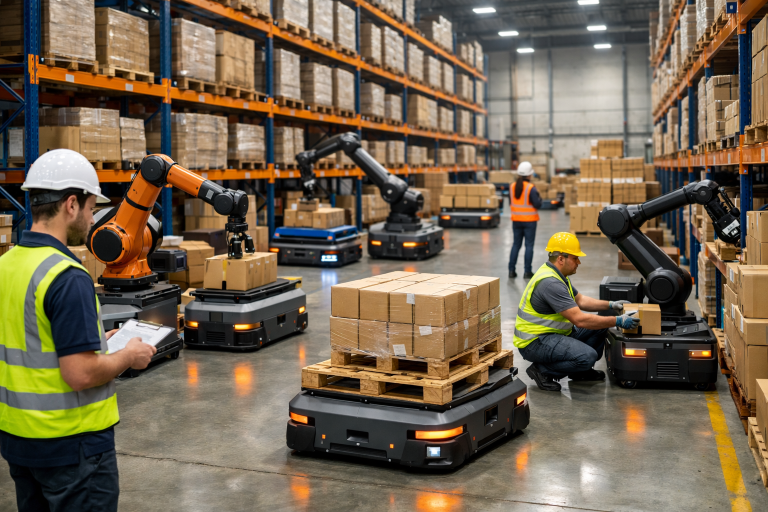
Automation and robotics have moved past being a luxury in material handling and are now mission-critical for modern warehouses and distribution centers. Automated solutions such as Autonomous Mobile Robots (AMRs) and Automated Storage and Retrieval Systems (AS/RS) are being deployed to carry out repetitive, labor-intensive tasks with precision and speed. AMRs navigate dynamic environments without human intervention, while AS/RS systems efficiently store and retrieve goods, helping companies achieve predictable throughput and prevent errors caused by manual handling.
Robotics not only compensates for labor shortages but also introduces consistent operational performance. By integrating robotic arms and conveyors, businesses can optimize every phase of the supply chain, from order picking to palletizing. According to Modern Materials Handling, ongoing robotics innovation is a principal contributor to increased warehouse capacity and reduced lead times.
Electrification of Equipment
Material handling equipment is experiencing a powerful shift toward electrification, driven by the dual goals of environmental stewardship and cost-effectiveness. Modern electric forklifts, pallet jacks, and tuggers utilize advanced lithium-ion batteries to deliver extended runtimes and rapid recharging. This technological leap allows for more flexible shift scheduling and continuous operation compared to internal combustion models.
The economic benefits of switching to electric equipment are significant. Reduced fuel usage, lower maintenance costs, and fewer emissions create a cleaner, safer workplace and align with sustainability directives. Many organizations are making the switch not only in response to regulatory pressures but also to meet internal corporate social responsibility goals. As reported by Forbes, the adoption of electric transport solutions is accelerating worldwide in warehouses.
Integration of IoT and AI
The convergence of the Internet of Things (IoT) and Artificial Intelligence (AI) with material handling equipment is revolutionizing warehouse management. IoT-powered sensors enable real-time monitoring of equipment health and performance, as well as inventory tracking. This ongoing flow of data supports predictive maintenance, reducing downtime and extending asset lifespans.
AI capabilities drive improved decision-making by analyzing vast datasets, identifying bottlenecks, and recommending process enhancements. AI-based optimization for tasks such as routing, inventory control, and demand forecasting leads to smarter, more responsive operations. The synergy of IoT and AI is critical for businesses looking to future-proof their facilities.
Focus on Safety and Ergonomics
With workplace safety regulations becoming more rigorous and employee well-being at the forefront, manufacturers have introduced enhanced design features to reduce injury risk. Innovations like panoramic visibility on lift trucks, responsive safety sensors, and easy-to-use controls foster safer interactions with machines. Ergonomically engineered operator cabins and seats help reduce strain and fatigue, boosting productivity and morale.
Investments in operator training and continuous improvement initiatives have been shown to reduce accident rates and extend career longevity for workers operating heavy equipment. Businesses that prioritize safety culture not only retain valuable talent but also experience fewer disruptions and lower liability.
Flexible and Scalable Solutions
Today’s business climate, marked by workforce shortages and unpredictable market shifts, demands material handling strategies that can adapt quickly. Flexible equipment, such as modular conveyor systems and multipurpose vehicles, enables facilities to reconfigure layouts swiftly in response to changing priorities. Scalable solutions like Robotics-as-a-Service (RaaS) offer an accessible path to automation without a significant capital outlay. Companies can expand or contract capabilities in response to real-time needs, improving cash flow and operational resilience.
Modular technology and subscription-based models also empower smaller enterprises to compete efficiently with much larger rivals, leveling the competitive playing field as industries grow more complex and fast-paced.
By keeping up with these pivotal trends, companies are better positioned to improve efficiency, safety, and sustainability throughout their operations. Proactive engagement with automation, electrification, digital intelligence, ergonomic upgrades, and adaptive strategies ensures both immediate benefits and lasting growth opportunities.
Veeramachineni Lalitha

I am Finance Content Writer. I write Personal Finance, banking, investment, and insurance related content for top clients including Kotak Mahindra Bank, Edelweiss, ICICI BANK and IDFC FIRST Bank. My experience details : Linkedin