

Key Takeaways
- Research the company and the role thoroughly before the interview.
- Communicate clearly and confidently, focusing on your strengths.
- Use positive body language to convey engagement and enthusiasm.
- Prepare meaningful questions that reflect your interest in the position.
- Send a personalized thank-you note as a professional follow-up.
Securing a job interview is a major milestone in your career journey, but standing out from the competition requires preparation and strategic effort. To maximize your chances of success across any field, you need a toolkit of proven techniques. One helpful resource for good interview tips can further boost your readiness and confidence, giving you the edge you need to impress your potential employer.
Employers are not just looking for technical skills or experience. They want to see candidates who are informed, articulate, and genuinely interested in the opportunity. By following essential steps before, during, and after your interview, you can leave a lasting impression and significantly increase your odds of receiving a job offer.
Thoroughly Research the Company and Role
One of the most crucial parts of preparing for any interview is researching the organization and the specific position for which you are applying. Start by exploring the company’s website, social media profiles, and press releases. Look for information about the company’s mission, culture, leadership, and recent achievements or challenges. Understanding this context helps you frame your responses to show how you are a great fit not only for the role but also for the broader company culture.
Additionally, review the job description closely. Identify the technical and interpersonal skills the employer is seeking and think of examples from your background that align with these needs. When you are well-versed in both the company and the role, it becomes much easier to position yourself as the most suitable candidate.
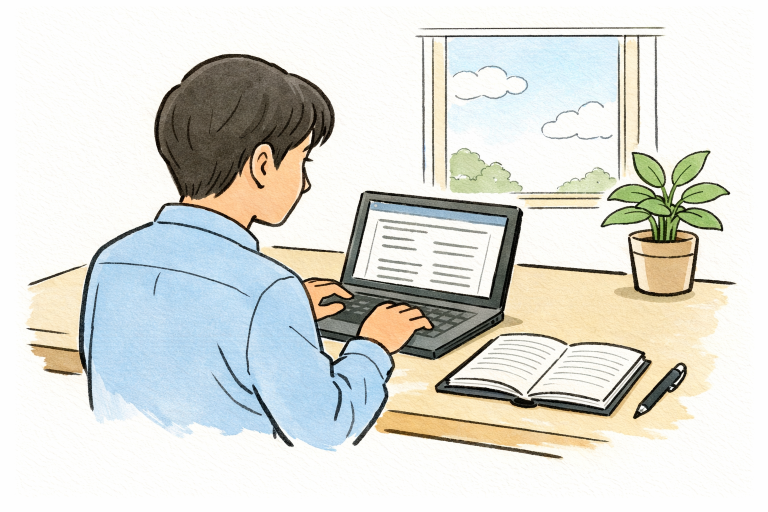
Practice Clear and Concise Communication
Interviewers are often pressed for time and appreciate candidates who answer questions succinctly and directly. Practice responding to common interview questions in a structured manner. Use the STAR method (Situation, Task, Action, Result) to keep your answers focused and relevant. Clear communication showcases your ability to process information, solve problems, and relay details in a professional setting. According to CNBC, hiring managers value candidates who can articulate their thoughts quickly and confidently, which is considered a green flag in the interview process.
Utilize Positive Body Language
Much of what you communicate in an interview comes from your body language. Simple adjustments such as sitting upright, making appropriate eye contact, and offering a firm handshake can significantly impact how you are perceived. Nonverbal cues can either reinforce the confidence projected through your words or contradict it. Smile genuinely when appropriate and use hand gestures naturally to emphasize points, which can indicate enthusiasm and engagement during the conversation. For more on this, a CNBC article highlights evidence-based tips supported by psychologists to help you ace your job interview through effective body language.
Prepare Thoughtful Questions
Interviews are not just about answering questions; they are also your opportunity to evaluate the organization. Prepare insightful queries that show you have done your homework and are seriously considering how you would fit within the company’s environment. You might ask about the team’s dynamics, strategies to achieve company goals, or what sets high performers apart in that organization. This not only exhibits your curiosity but also demonstrates your proactive approach, which is often favored by hiring managers.
Examples of Strong Interview Questions
- Can you describe the company’s current priorities and how this role contributes to achieving them?
- What characteristics do your most successful team members share?
- How do you support employees’ professional growth and development?
Follow Up with a Personalized Thank-You Note
Taking the time to send a personalized thank-you email after your interview sets you apart from other candidates. Reference specific topics discussed during your conversation to show attentiveness and highlight your particular interest in the position. A brief, well-crafted note not only reiterates your enthusiasm but also keeps you top of mind with the interviewer. Doing this promptly after your meeting is vital for maintaining a professional image.
Furthermore, your follow-up communication is an opportunity to gently address any points you felt could have been addressed more effectively, or to reaffirm your qualifications in response to key points raised by the interviewer. This additional effort demonstrates persistence and professionalism. If the interview included multiple interviewers, be sure to send a tailored thank-you note to each person. Individualized messages will convey investment and attention to detail, both of which are highly regarded by employers. Thank-you notes are also an opportunity to share something relevant you may have forgotten to mention during the interview, or a reflection on an aspect of the discussion that resonated with you.
Tips for Navigating Remote Interviews
With the rise of remote and hybrid work environments, virtual interviews have become commonplace. In addition to traditional preparation, ensure your technology is tested and reliable. Find a quiet, well-lit space, and make sure your background is tidy. Dress professionally, just as you would for an in-person interview, to evoke confidence and credibility. Maintain eye contact by looking into the camera rather than the screen, and speak clearly to prevent miscommunication caused by audio lag or glitches. Eliminating distractions and informing housemates or family members of your interview schedule can further contribute to a smooth process. You might also keep a copy of your resume, the job description, and your research notes handy for easy reference during the conversation.
Additional Ways to Prepare for Success
Role-playing interviews with a friend or mentor can build confidence and help you articulate your experiences more fluently. They can offer constructive feedback on your answers, tone, and body language. Record yourself answering common questions to identify areas for improvement. Practice your elevator pitch, a summary of who you are and what you bring to the table, so you are ready to break the ice and set the tone for the interview. Finally, remember that interviewing is a two-way street: evaluate whether the company culture and values align with your own career goals and aspirations. The more comfortable and authentic you are, the more likely you are to connect meaningfully with your interviewers.
Conclusion
Interviewing is a skill that improves with deliberate practice and preparation. By thoroughly researching the organization, clearly communicating your qualifications, using positive body language, asking thoughtful questions, and sending a personalized thank-you note, you can elevate your performance, regardless of the industry or role you are targeting. For more interview preparation resources, consider reviewing guides from leading career advice websites, such as Indeed, or from credible sources like Forbes.
Veeramachineni Lalitha

I am Finance Content Writer. I write Personal Finance, banking, investment, and insurance related content for top clients including Kotak Mahindra Bank, Edelweiss, ICICI BANK and IDFC FIRST Bank. My experience details : Linkedin