

Key Takeaways
- Flexible financing plays a pivotal role in business expansion and resilience.
- Lines of credit, invoice financing, and trade finance increase access to working capital.
- Alternative lenders are innovating beyond the limitations of conventional banks.
- Ongoing developments, such as new SBA programs, are making business financing more inclusive and agile.
Today’s rapidly shifting business environment requires not only agility on the commercial front but also flexibility in the way companies manage their finances. Traditional fixed-term loans no longer suit every business scenario, making flexible financing options an essential consideration for growth-focused organizations. From lines of credit to alternative lenders, innovative solutions are empowering businesses to address immediate needs and seize market opportunities. Companies seeking adaptable financing may consider working with experienced providers such as ScotPac New Zealand, which delivers tailored support to enterprises in dynamic market conditions.
Flexible financing enhances cash flow management, supporting growth opportunities and addressing challenges. It allows efficient resource allocation, stability during volatility, and innovation while maintaining liquidity. Options such as revolving credit and invoice-based lending illustrate modern funding trends, which are crucial for navigating uncertainty and responding effectively to risks and opportunities.
Understanding Flexible Financing
Flexible financing encompasses a variety of funding solutions designed to adapt to a business’s current and projected requirements. Unlike rigid loan structures, flexible arrangements align with project-based funding needs, seasonal income shifts, and evolving cash flow cycles. This adaptability makes them suitable for both established companies and fast-growing start-ups.
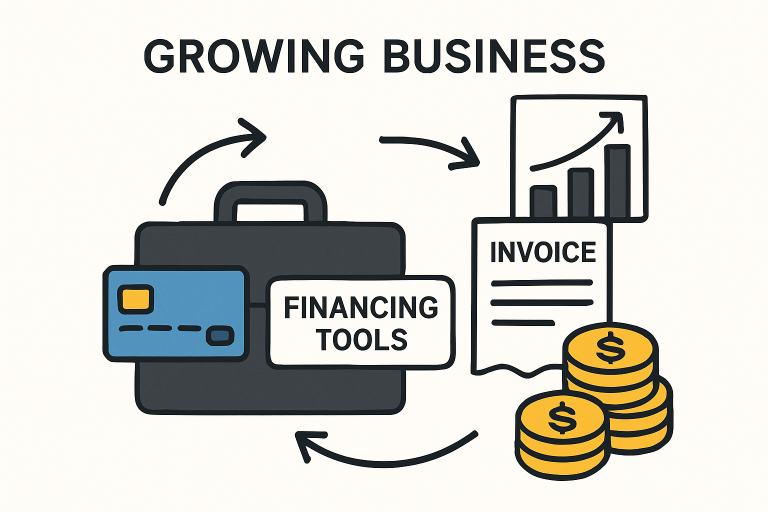
The core principle is simple: rather than committing to fixed repayment schedules or lump-sum borrowing, businesses access capital as needed and manage repayments in sync with their revenue cycles. As industry analysts highlight, this model helps enterprises mitigate the risks of overextending resources or missing out on growth opportunities.
Lines of Credit: A Versatile Tool
Business lines of credit have gained popularity due to their versatile structure. A company is approved for a certain credit limit and can draw funds incrementally as expenses arise. Only the borrowed amount incurs interest, helping manage cost efficiency. This revolving access is ideal for handling payroll surges, bridging supply chain gaps, or navigating unexpected downturns without locking the company into unused debt.
The flexibility of lines of credit is particularly valuable for industries with cyclical cash flow or those facing intermittent capital requirements. Reports show that demand for flexible credit facilities is rising sharply as companies prioritize adaptable financial tools over conventional bank loans.
Invoice Financing: Unlocking Working Capital
Invoice financing allows businesses to unlock working capital by advancing funds for outstanding invoices. Instead of waiting the usual 30, 60, or 90 days for customers to pay, companies sell their accounts receivable to a financier at a discounted rate, enabling immediate access to cash. This fast infusion of liquidity allows organizations to reinvest in operations, pay suppliers early, or scale up inventory in anticipation of demand.
For businesses with extended payment terms or slow-paying customers, invoice financing offers a practical alternative to traditional borrowing, reducing dependency on long-term loans and improving financial agility.
Trade Finance: Facilitating International Transactions
As businesses expand into international markets, trade finance offers support through credit facilities such as letters of credit, export financing, and payment guarantees. These tools help mitigate cross-border risks and ensure that both buyers and sellers fulfill their obligations. Trade finance is crucial for manufacturers, exporters, and importers seeking to access new markets without incurring significant financial uncertainty.
By covering gaps between shipment and payment, or providing collateral for overseas transactions, trade finance solutions foster international growth and reduce the financial complexities associated with global business.
Alternative Lenders: Tailored Financial Solutions
Alternative lenders, including fintech companies and non-bank institutions, are disrupting traditional lending by providing technology-driven, flexible loan products. These providers offer streamlined applications, rapid disbursement, and customized loan structures that reflect a company’s current realities. Firms like Fundbox and BlueVine are gaining traction by serving businesses that may not meet the strict criteria of established banks but need access to capital for expansion, payroll, or equipment.
The speed, transparency, and diverse qualification standards set by alternative lenders are particularly valuable for businesses in high-growth or innovative spaces, where traditional funding models may be too rigid or slow to meet ongoing demands.
Recent Developments in Business Financing
The financing sector continues to evolve in response to entrepreneurial needs. A notable example is the US Small Business Administration’s introduction of the 7(a) Working Capital Pilot program, which offers business lines of credit with flexible repayment and credit limits of up to $5 million. This initiative is intended to support small and mid-sized enterprises with the working capital necessary to pursue growth projects and manage operational costs during scaling.
Trends show that more businesses are embracing blended financing, combining traditional loans, lines of credit, and alternative funding to keep their options open and maintain liquidity across market cycles.
Conclusion
As the business landscape becomes more competitive and uncertain, flexible financing sets forward-thinking companies apart. Leveraging varied funding instruments allows businesses to proactively address changes, secure opportunities, and sustain long-term growth. Whether sourced through established institutions or innovative alternative lenders, flexible finance is poised to remain a cornerstone of business expansion strategies in the years ahead.
Veeramachineni Lalitha

I am Finance Content Writer. I write Personal Finance, banking, investment, and insurance related content for top clients including Kotak Mahindra Bank, Edelweiss, ICICI BANK and IDFC FIRST Bank. My experience details : Linkedin