

Key Takeaways
- Immediate spill response is vital to prevent environmental degradation and protect public health.
- Proper containment and cleanup strategies reduce long-term ecological and economic impacts.
- Collaboration between agencies and adherence to regulations enhance the effectiveness of spill response efforts.
Understanding Environmental Spills
Environmental spills involve the unintentional release of hazardous materials such as oil, chemicals, and industrial pollutants into the environment. These events can result from equipment failure, transportation accidents, natural disasters, or human error, threatening sensitive habitats, contaminating resources, and jeopardizing local communities. Timely, professional emergency spill response minimizes these dangers and supports recovery efforts by quickly containing and removing hazardous substances.
When a spill contaminates land, water, or air, the risks extend far beyond immediate environmental harm. Pollutants can travel through waterways or soil, triggering a cascade of ecological effects and long-term consequences for both humans and wildlife. To mitigate such risks, a rapid and coordinated spill response is not only beneficial but also essential for protecting public health and the environment.
In addition to the threat of contamination, environmental spills can disrupt businesses, impede local economies, and generate significant cleanup costs. Proactive emergency spill response helps mitigate these impacts, ensuring that hazardous materials are handled safely and efficiently, while also meeting regulatory obligations.
The scope of an environmental spill may vary—from small leaks in industrial operations to major transportation accidents involving hazardous cargo. Regardless of scale, a timely and organized approach ensures minimized damage and a faster return to normalcy for affected communities.
Immediate Response: The First Line of Defense
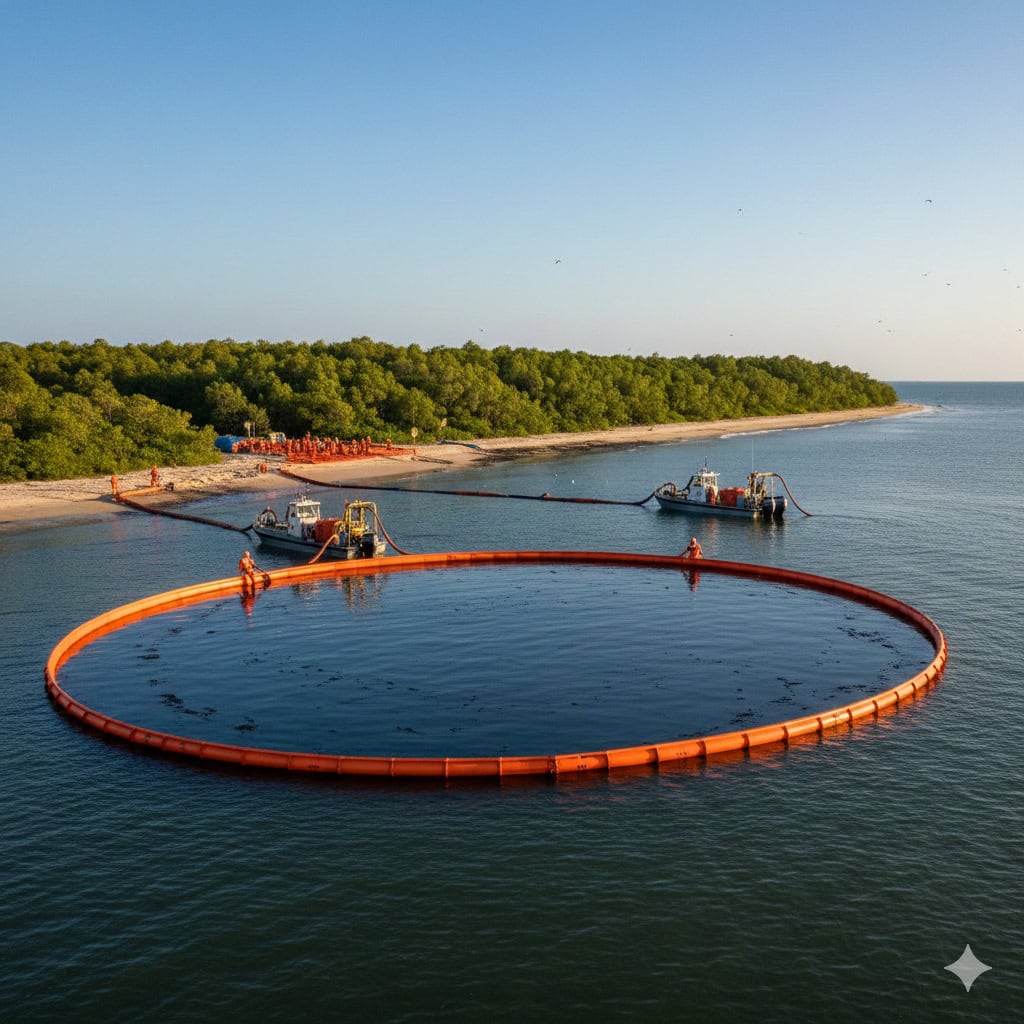
The success of any environmental spill mitigation effort depends first on a swift and strategic initial response. The moment a spill occurs, responders must act quickly and follow established protocols, which typically include:
- Assessment: Determining the size, type, and potential impact of the spill is crucial for selecting the most appropriate containment and cleanup strategies.
- Containment: Physical barriers such as booms and dikes help prevent the spread of hazardous substances, especially when spills threaten waterways or sensitive land areas.
- Notification: It is crucial to alert relevant local and state authorities, initiate coordinated emergency response actions, and inform nearby populations when necessary.
For example, Michigan’s Pollution Emergency Alerting System (PEAS) enables residents and businesses to quickly report and coordinate responses to environmental emergencies. Having clear reporting procedures ensures all stakeholders are informed and prepared for efficient action.
Containment and Cleanup Strategies
After initial containment, the next critical phase is cleanup. Spill response teams use a combination of proven techniques, such as:
- Physical Barriers: Tools such as booms, skimmers, and absorbent pads are used to block off and capture spills, particularly in aquatic and industrial settings.
- Absorbents: Materials such as specialized pads, granules, or natural fibers are deployed to quickly and effectively absorb hazardous substances.
- Neutralization: Certain chemicals can be neutralized with agents that render them less harmful, reducing both short-term and long-term environmental threats.
The specific methods chosen often depend on factors such as the nature of the spill, location, weather conditions, and the speed of initial response. Proper cleanup is crucial for restoring affected environments, preventing further contamination, and minimizing public health risks.
Cleanup strategies continue to evolve, incorporating advanced technology, improved absorbents, and data-driven best practices. These improvements enhance efficiency, reduce recovery times, and mitigate the severity of ecological impacts.
Regulatory Compliance and Reporting
Environmental laws require stringent reporting and accountability measures for all incidents involving spills and other environmental releases. In Michigan, the Department of Environment, Great Lakes, and Energy (EGLE) maintains comprehensive guidelines for identifying, reporting, and managing chemical spill events. Compliance with these laws is crucial, not only to avoid penalties but also to uphold public trust and ensure that health and safety protocols are properly executed.
Maintaining accurate records, communicating transparently, and engaging regulatory agencies throughout the process are essential for organizations responsible for spills. Prompt reporting expedites resource allocation and ensures expert oversight throughout the cleanup phase.
Collaborative Efforts in Spill Response
No single entity can tackle large-scale spill events alone. Effective spill response depends on strong collaboration between local fire departments, specialized spill cleanup teams, environmental agencies, and community organizations. Coordination amplifies available resources, ensures information sharing, and integrates field-tested strategies into everyday practices.
Successful collaborations also facilitate better training for responders, develop shared emergency action plans, and increase the speed and scope of recovery. Drawing on local expertise and national best practices ensures a comprehensive approach that adapts to both immediate and evolving spill challenges.
Preventive Measures and Preparedness
Preventing spills in the first place is always preferable to managing their aftermath. Key preventive strategies include regular equipment inspection and maintenance, comprehensive employee training in the safe handling of chemicals and industrial materials, and the development of detailed emergency response procedures.
- Routine checks of storage tanks, valves, and pipelines
- Clear operating procedures and spill drills
- Continuous education on new materials and technologies
Organizations well prepared for emergencies are far less likely to experience catastrophic spills or long-term environmental harm. Practicing proactive risk management and fostering a culture of safety ensures both operational success and community well-being.
Conclusion
Emergency spill response is central to protecting ecosystems, public health, and the economic stability of affected areas. Through rigorous preparedness, swift action, thorough cleanup, and strong partnerships with regulators and the community, organizations can effectively manage environmental risks and safeguard our future.
Veeramachineni Lalitha

I am Finance Content Writer. I write Personal Finance, banking, investment, and insurance related content for top clients including Kotak Mahindra Bank, Edelweiss, ICICI BANK and IDFC FIRST Bank. My experience details : Linkedin