

The Economic Landscape of Renewable Energy
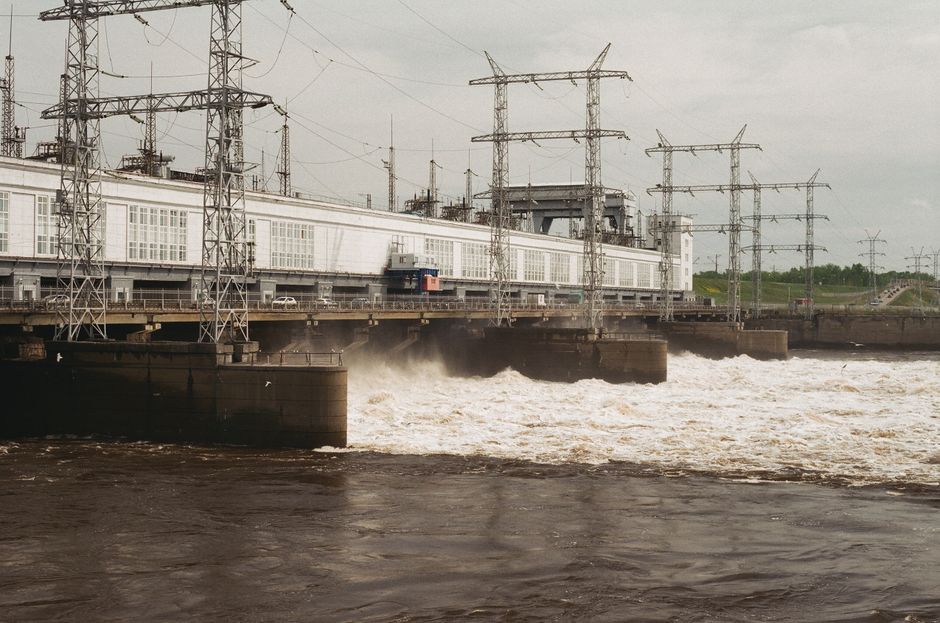
The global energy landscape is in constant flux. The 2022 fossil fuel price crisis served as a stark reminder of our need for reliable, affordable energy. As of April 2026, the push for decarbonization and energy security continues to accelerate worldwide. In this urgent transition, hydropower stands out as a vital, proven renewable resource.
However, developing and maintaining hydropower projects involves significant financial considerations. Understanding these “Hydropower Project Costs” is crucial. It helps us plan for a sustainable energy future.
We will delve into the economic realities of hydropower. We will examine average investment costs for various plant types. We will also explore operations and maintenance expenses. Furthermore, we will address the challenges, such as cost overruns and financing risks. Finally, we will look at how innovations can lead to more efficient and cost-effective hydropower solutions, essential for long-term renewable hydropower cost reduction. This includes advancements that can reduce overall project expenses and enhance long-term viability.
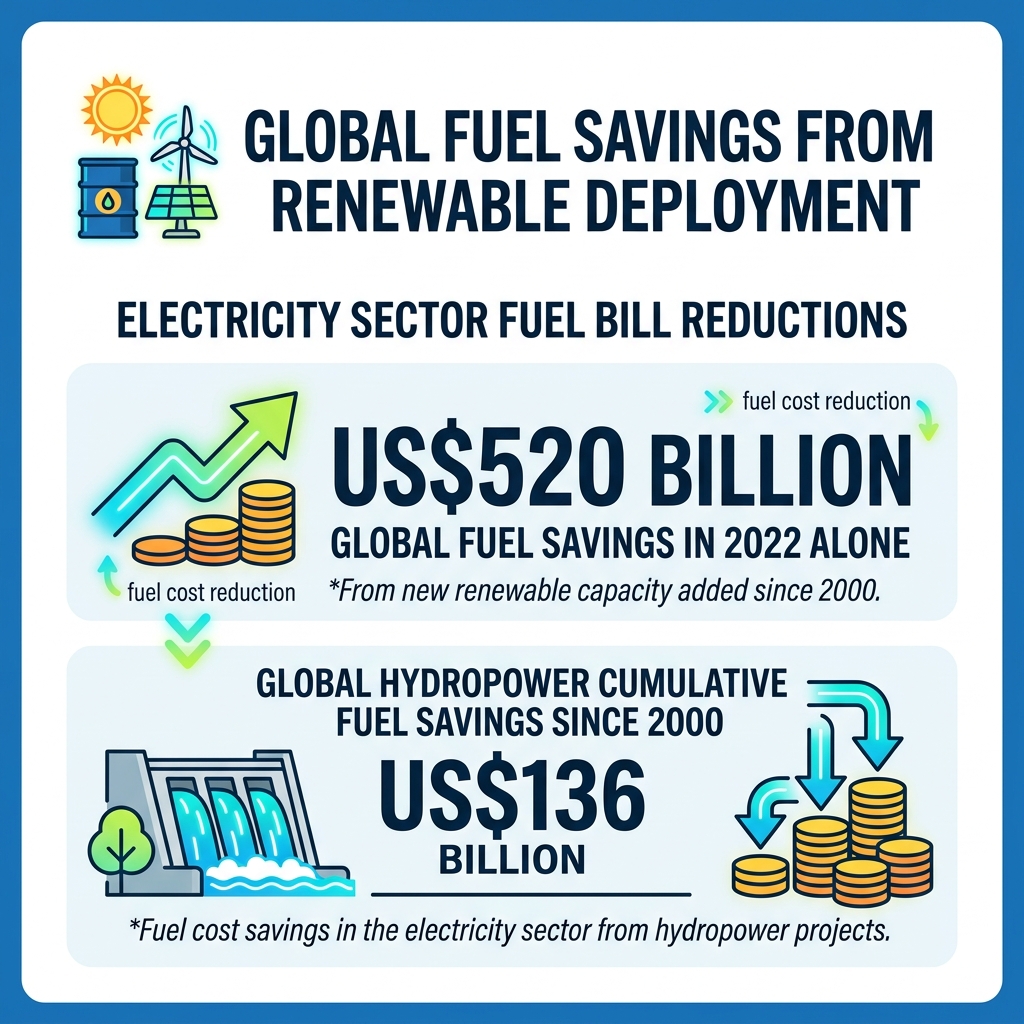
The global energy transition is not merely an environmental imperative but an economic one, driven by the need for energy security and the pursuit of ambitious 1.5°C climate targets. Renewable energy, including hydropower, has emerged as the most cost-competitive source of new generation. According to the International Renewable Energy Agency (IRENA), new renewable capacity added since 2000 significantly reduced the electricity sector’s global fuel bill by at least US$520 billion in 2022 alone. This underscores a pivotal shift: renewables are not only cleaner but also increasingly affordable compared to fossil fuel alternatives. For a deeper dive into these trends, the IRENA report on Renewable Power Generation Costs in 2022 offers comprehensive insights.
While the overall trend for renewables points towards declining costs, the journey is not uniform across all technologies. In 2022, the global weighted-average total installed cost of new hydropower projects increased by 25%, from US$2,299/kW in 2021 to US$2,881/kW. This contributed to an 18% increase in overall hydropower costs that year. Despite these fluctuations, the long-term economic benefits of hydropower remain compelling, having saved US$136 billion globally in fuel costs in the electricity sector since 2000.
To provide a clearer picture of how hydropower stacks up against other key renewable sources, let’s examine their typical investment costs and Levelized Cost of Electricity (LCOE) as of April 2026. LCOE represents the average revenue per unit of electricity generated that would be required to recover the costs of building and operating a generating plant over an assumed financial life and duty cycle.
Energy Source Typical Investment Costs (USD/kW) Typical LCOE (USD/kWh) Refurbishments/Upgrades 500 – 1,000 0.01 – 0.05 Large Hydropower 1,050 – 7,650 0.02 – 0.19 Small Hydropower 1,300 – 8,000 0.02 – 0.10 (developing countries) Note: LCOE values are based on a 10% cost of capital. Investment costs for new projects vary significantly based on site-specific factors.
Comparing Hydropower to Other Renewable Energy Sources
In the broader renewable energy landscape, hydropower offers distinct advantages, particularly in dispatchability and storage capabilities. Unlike intermittent sources like solar photovoltaic (PV) and wind, hydropower, especially with reservoir storage, can provide power on demand, acting as a natural battery for the grid.
Solar and wind technologies, while having seen significant cost reductions (solar PV costs fell by 3% and onshore wind by 5% in 2022), often benefit from modularity and scalability. This allows for quicker deployment and potentially lower upfront risk compared to large-scale hydropower projects. However, their reliance on weather patterns means they operate with varying capacity factors—the ratio of actual energy produced to maximum potential output. Hydropower’s capacity factors are influenced by site hydrology, design, and operational characteristics, and can be quite high, often exceeding 40-50% for well-managed reservoir plants. The integration of these diverse renewable sources is key to a robust energy system.
The Role of Capital in Renewable Energy Expansion
The cost of capital is a critical determinant of hydropower project viability, particularly in emerging and developing economies (EMDEs). Hydropower is a highly capital-intensive technology, meaning the initial investment required is substantial, and projects often have long lifetimes. This makes the cost of securing loans or equity—represented by the Weighted Average Cost of Capital (WACC)—a significant factor in the overall cost of electricity generated.
Research from the International Energy Agency (IEA) highlights that even a one percent increase in WACC can lead to a seven to fourteen percent higher generation cost for hydropower. This sensitivity underscores the importance of a stable and attractive investment environment. For EMDEs, if investor perceptions of risk drive up the cost of capital for clean energy, it creates a competitive disadvantage, hindering the affordability and pace of the energy transition.
We recognize that the financial structure of renewables differs fundamentally from fossil fuel power generation. Renewables primarily incur upfront costs for equipment to harness free energy, while fossil fuel plants have lower build costs but continuous fuel purchases. This makes the cost of capital a much larger component of the total cost for renewables. To accelerate clean energy investment in these crucial regions, reducing the cost of capital is vital. The IEA’s report, Reducing the cost of capital, provides specific recommendations for policymakers and financial institutions to unlock this potential.
Analyzing Hydropower Project Costs and Infrastructure Types
Hydropower projects, by their very nature, are diverse and site-specific, leading to a wide range of associated costs. Whether we’re discussing the construction of a new dam or the upgrade of an existing facility, understanding the cost components is essential for effective planning and investment.
Average investment costs for large hydropower plants with storage typically range from USD 1,050/kW to USD 7,650/kW. Small hydropower projects, while often more modular, can still range between USD 1,300/kW and USD 8,000/kW. However, adding capacity to existing hydropower schemes or retrofitting existing dams without a hydropower plant can be significantly cheaper, sometimes costing as little as USD 500/kW. This highlights the economic advantage of leveraging existing infrastructure.
The primary components of a conventional hydropower plant involve significant civil works and electro-mechanical equipment. Civil works, including the dam, tunnels, powerhouse construction, site access, and grid connection, often dominate costs for large projects. For smaller projects, the electro-mechanical equipment (turbines, generators, transformers) can represent a larger proportion of the total investment.
Hydropower schemes can be broadly categorized into three main types, each with distinct characteristics and cost implications:
- Run-of-River Schemes: These plants typically have little to no water storage. They generate electricity using the natural flow of a river, often diverting a portion of the water through a canal or penstock to a powerhouse before returning it to the river. They have lower civil works costs compared to reservoir projects, but are more susceptible to seasonal variations in river flow.
- Reservoir (Impoundment) Schemes: These involve building a dam to create a large reservoir, storing water that can be released to generate electricity as needed. This provides flexibility and dispatchability, but comes with higher civil works costs, potential environmental impacts, and longer construction timelines.
- Pumped Storage Hydropower (PSH) Schemes: These are energy storage systems that use two reservoirs at different elevations. During periods of low electricity demand (and often surplus renewable generation), water is pumped from the lower to the upper reservoir. When demand is high, water is released from the upper to the lower reservoir, flowing through turbines to generate electricity. PSH projects are critical for grid stability and integrating variable renewables, but are among the most capital-intensive hydropower options. You can learn more about this technology on our Pumped Storage Hydropower page.

Cost Projections for Nonpowered Dams and New Stream-Reach Development
The U.S. Department of Energy’s Annual Technology Baseline (ATB) provides crucial insights into cost projections for different hydropower resource categories. As of April 2026, the 2024 ATB categorizes hydropower resources primarily into Nonpowered Dams (NPD) and New Stream-Reach Development (NSD). These categories represent significant untapped potential.
For Nonpowered Dams, which are existing dams without hydropower generation, base year estimates of overnight capital cost (OCC) range from $3,045/kilowatt (kW) to $20,043/kW. This wide range reflects the diverse characteristics of these sites, from low-cost retrofits to more complex installations requiring substantial civil works. The technical potential for NPD in the U.S. is estimated at up to 12 GW.
New Stream-Reach Development involves building hydropower facilities on previously undeveloped waterways. For NSD sites, based on specific methodologies, OCC estimates typically range from $6,574/kW to $8,611/kW. These sites often have lower potential capacity due to lower water flow and head than in historical large-scale projects. The 2024 ATB details these projections and methodologies, providing a valuable resource for understanding the future cost landscape of U.S. hydropower development. For comprehensive data and analysis, we recommend exploring the Hydropower | Electricity | 2024 | ATB report.
Operations and Maintenance Variations
Operations and maintenance (O&M) costs are a recurring expense for any power generation facility, and hydropower is no exception. These costs are typically quoted as a percentage of the initial investment cost per kW. Typical annual O&M values for hydropower projects range from 1% to 4%.
For large hydropower projects, O&M costs typically range from 2% to 2.5% of installed cost. However, small hydropower projects often don’t benefit from the same economies of scale, leading to O&M costs that can range between 1% and 6%, or even higher in some cases. These costs cover routine inspections, repairs, personnel, and administrative expenses necessary to ensure the plant’s continuous and efficient operation.
The calculation of an annual average energy production for a hydropower project is directly linked to its capacity factor, which reflects the ratio of energy actually produced to its maximum potential. This factor is influenced by site hydrology (water availability), plant design, and operational characteristics. Understanding and accurately projecting O&M costs is crucial for long-term financial planning and determining the true LCOE of a hydropower project. For detailed models and data on O&M costs, the Updated Baseline Cost Model for Hydropower (2023) offers valuable insights.
Overcoming Challenges in Renewable Energy Development
While hydropower offers significant advantages, its development is not without challenges. These often translate directly into increased project costs, impacting feasibility and investor confidence.
One of the most persistent issues is cost overruns. Hydropower projects, especially large-scale ones, are complex and can span many years, making them susceptible to unforeseen geological challenges, material price fluctuations, and regulatory changes. Reports indicate that these projects regularly run millions of dollars over budget, with timelines extending years beyond original plans. This phenomenon is sometimes exacerbated by “strategic misrepresentation,” where project risks and costs are intentionally downplayed during the approval phase to secure funding.
Permitting risks are another major hurdle. The process of obtaining environmental and regulatory approvals can be lengthy, complex, and unpredictable, adding significant time and cost to projects. The median duration for hydropower relicensing processes in the U.S. from 2010 to 2022 was 5.8 years, illustrating the bureaucratic complexities involved.
Furthermore, revenue volatility poses a significant financial risk. Hydropower generation is inherently tied to water availability, which can fluctuate due to climate change and changing weather patterns (e.g., droughts or extreme rainfall). This variability can make it difficult to predict future revenue streams, deterring private capital. A critical look at how these issues affect hydropower’s viability, a study published in ScienceDirect highlights the economic and environmental consequences of ignoring cost overruns.
Mitigating Financial and Regulatory Risks
Addressing these challenges requires a multi-faceted approach, focusing on de-risking projects and ensuring fair remuneration for hydropower’s full suite of services.
Offtake risk, which concerns the ability to secure long-term power purchase agreements, is crucial for attracting debt financing. Projects need stable revenue streams to be considered viable. A key issue is that hydropower projects are often not adequately remunerated for their non-power benefits, such as flood management, irrigation, or grid stability services. These “unremunerated services” mean projects don’t secure revenue that reflects their full value. The International Hydropower Association (IHA) advocates for policies that recognize and compensate hydropower for these essential grid and societal services.
Permitting delays and costs can be mitigated through streamlined regulatory processes and early stakeholder engagement. However, in some cases, projects face such significant economic or environmental hurdles that license surrenders become a reality, sometimes in favor of aquatic ecosystem restoration. Effectively navigating these risks is paramount for project success, and understanding how to do so is explored further in our article, “Financing Long-Term Hydropower Requires Mitigating Risks Before ROI.”
Impact of Cost Overruns on Consumer Pricing
The ripple effect of cost overruns in hydropower projects is felt directly in electricity prices for consumers. When projects exceed their budgets by millions of dollars and timelines stretch for years, these additional costs are often passed on to end-users through higher tariffs. This can lead not only to economic troubles for households and industries but also to the potential undermining of environmental objectives.
If electricity prices become too high, there’s a risk that consumers and industries might revert to cheaper, higher-emission thermal fuels, thereby counteracting decarbonization efforts. This unintended consequence highlights the critical need for accurate cost estimation and stringent project management in hydropower development. The long-term implications of these financial discrepancies on energy policy and consumer behavior are significant, as discussed in various analyses, including those presented on the FES YouTube Channel.
Technological Innovations and the Future of Grid Stability
Innovation is key to making hydropower more cost-effective and resilient amid evolving energy demands and environmental concerns. Advancements in engineering, materials, and digital technologies are opening new pathways for development and operational efficiency.
Modern approaches emphasize value engineering and advanced manufacturing to optimize design and construction processes. This includes the use of alternative materials for water diversion structures, which can significantly reduce material costs. Furthermore, the development of eco-friendly turbines aims to improve efficiency while minimizing environmental impacts, potentially reducing mitigation costs. The concept of modularity in hydropower components, similar to that seen in other renewable sectors, promises to streamline construction, reduce on-site labor, and accelerate deployment.
Digitalization is also transforming operations. The implementation of standardized ‘smart’ automation and remote monitoring systems allows for optimized maintenance scheduling, predictive analytics, and reduced operational costs. These innovations collectively help make hydropower projects more predictable in terms of cost and performance, supporting the broader energy transition. Our page on Why Precast Costs Less offers insights into how innovative construction methods can drive down costs.
Innovation Scenarios: Conservative to Advanced
The 2024 ATB models different scenarios for technology innovation in hydropower, providing a glimpse into potential future cost trajectories for capital expenditures (CAPEX) and operation and maintenance (O&M).
- Conservative Scenario: This assumes no significant changes in CAPEX, O&M costs, or capacity factors, reflecting a business-as-usual approach.
- Moderate Scenario: This incorporates near-term innovations, such as widespread value engineering and design/construction best practices for NPD, and incremental learning for NSD. For instance, NPD CAPEX is projected to be 4% lower in 2040 than in 2030 under this scenario.
- Advanced Scenario: This envisions greater transformative gains from new technologies such as modularity, advanced manufacturing, automation, and eco-friendly turbines. Under this scenario, NPD CAPEX could be 5% lower than the Moderate Scenario for 2026-2030 and 10% lower for 2031-2040. Similarly, NSD O&M could see reductions of 40% by 2035 and 45% by 2050.
These scenarios, outlined in reports such as the Hydropower Vision: A New Chapter for America’s Renewable Electricity Source, highlight the potential for significant cost reductions through sustained investment in the research, development, and deployment of innovative hydropower technologies.
Hydropower as the Guardian of the Grid
Beyond its role as a clean energy generator, hydropower, particularly with storage capabilities, is indispensable for maintaining grid stability and facilitating the integration of variable renewable energy (VRE) sources like wind and solar. We often refer to hydropower as the “guardian of the grid” for good reason.
Hydropower plants can rapidly adjust their output to balance supply and demand fluctuations, providing essential services such as frequency regulation and load-following. This flexibility is crucial when wind power drops suddenly or solar generation dips due to cloud cover. Pumped storage hydropower (PSH) further enhances this capability by acting as a large-scale, long-duration energy storage solution, absorbing excess electricity during off-peak hours and releasing it when needed.
This ability to provide dispatchable power and storage helps to stabilize the grid, preventing blackouts and ensuring a reliable electricity supply. As the share of VREs in the energy mix grows, the value of hydropower’s grid-balancing services becomes even more pronounced. To understand the critical role hydropower plays in supporting a modern, resilient energy grid, explore our insights on 4 Reasons Why Hydropower is the Guardian of the Grid.
Frequently Asked Questions about Hydropower Costs
What is the typical LCOE for hydropower refurbishments compared to new builds?
Refurbishments and upgrades are significantly more cost-effective. The Levelized Cost of Electricity (LCOE) for hydropower refurbishments and upgrades typically ranges from as low as USD 0.01/kWh for additional capacity at an existing project to around USD 0.05/kWh for a more expensive upgrade, assuming a 10% cost of capital. In contrast, the LCOE for new large hydropower projects typically ranges from USD 0.02 to USD 0.19/kWh under the same cost-of-capital assumption. This considerable difference underscores the economic appeal of modernizing existing infrastructure.
How does the cost of capital affect the total cost of hydropower generation?
The cost of capital plays a significant role in hydropower generation costs, as these projects are highly capital-intensive with long development and operational lifespans. An increase in the Weighted Average Cost of Capital (WACC) of just one percent can result in a seven to fourteen percent higher generation cost for hydropower. This sensitivity means that favorable financing conditions and lower perceived investment risks are crucial for achieving competitive electricity prices from hydropower.
What is the remaining global technical potential for hydropower?
The estimated global technical potential for hydropower is vast, standing at approximately 15,955 TWh/year. This figure represents nearly 4.8 times the world’s current hydropower generation. A significant portion of this potential remains unexploited, particularly in emerging markets, indicating substantial opportunities for future development that can contribute to global decarbonization efforts and energy security.
Conclusion
As of April 2026, the discussion around hydropower project costs is more nuanced than ever. While the sector faces challenges such as rising capital costs, permitting complexities, and the need for fair remuneration for its grid services, its fundamental value as a reliable, flexible, and low-carbon energy source remains undisputed. The economic benefits of hydropower, from fuel savings to grid stability, are critical for an affordable and secure energy transition.
Technological innovations, from advanced manufacturing to smart automation, promise to reduce future capital and operational expenditures, making new and upgraded projects more competitive. By addressing financial and regulatory risks and recognizing hydropower’s full value proposition, we can unlock its immense, untapped potential. This will ensure that hydropower continues to play its vital role as a cornerstone of a resilient and sustainable global energy system for decades to come. For ongoing developments and strategic insights into the future of hydropower, refer to the Hydropower Vision Roadmap Update.
Veeramachineni Lalitha

I am Finance Content Writer. I write Personal Finance, banking, investment, and insurance related content for top clients including Kotak Mahindra Bank, Edelweiss, ICICI BANK and IDFC FIRST Bank. My experience details : Linkedin