

Understanding Legal Defense and Advocacy in Modern Law

In such challenging times, understanding your legal rights and options is essential. Legal defense and advocacy are powerful tools. They are designed to protect individuals and ensure fair treatment within the justice system.
This comprehensive guide will explore the vital world of legal defense and advocacy. We will focus on how these principles apply to personal injury claims and debt defense. Our aim is to empower you with knowledge. We will cover everything from understanding the roles of different legal clinics to identifying the best strategies for your unique situation. We believe that everyone deserves effective legal representation when they need it most.
The landscape of legal defense and advocacy extends far beyond individual courtroom battles. It encompasses a broad spectrum of efforts aimed at systemic reform, public defense, and civil legal aid. These initiatives are crucial for ensuring that justice is accessible to all, not just those who can afford it. Organizations like the Legal-Aid and Defender Association, for instance, have been providing free civil legal assistance to low-income residents in Michigan since 1909, offering holistic and innovative services that address critical needs like preventing eviction and removing barriers to housing and employment.
At the heart of modern legal advocacy is a commitment to addressing underlying societal issues that contribute to legal challenges. This includes advocating for racial justice, voting rights, and broader civil rights, as exemplified by the work of the Legal Defense Fund. Their efforts often involve high-impact litigation and policy changes designed to protect marginalized communities and uphold constitutional principles.
Understanding the distinctions and overlaps between direct legal defense and broader advocacy is key to appreciating the full scope of this work. While individual representation focuses on securing the best outcome for a specific client, advocacy often seeks to change laws, policies, or systemic practices that affect entire groups of people.
Feature Legal Defense Clinic Legal Advocacy Clinic Primary Focus Direct client representation in specific cases Systemic reform, policy change, broader social justice Case Types Criminal defense, family law, landlord-tenant disputes Civil rights, environmental law, consumer protection, human rights Client Interaction Intensive, one-on-one representation May involve class actions, community organizing, legislative lobbying Goals Secure favorable outcomes for individual clients Influence legal precedents, reform laws, impact public policy Skills Developed Litigation, negotiation, client counseling, investigation Policy analysis, legislative drafting, public speaking, coalition building Typical Operation Students handle full caseloads under supervision Students engage in research, brief writing, policy advocacy 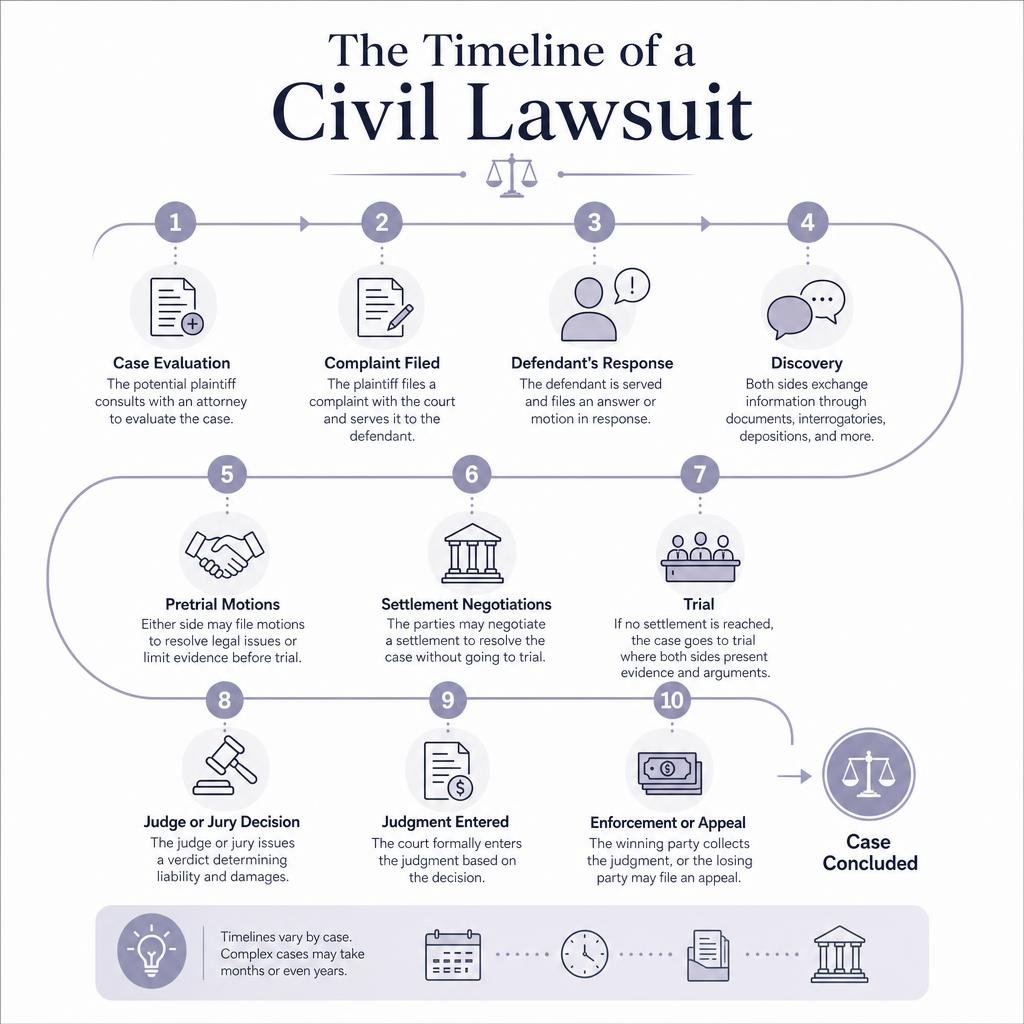
Defining Legal Defense vs. Legal Advocacy
While often used interchangeably, legal defense and legal advocacy represent distinct, albeit complementary, approaches within the legal system. Legal defense primarily involves representing an individual client in a specific legal proceeding. This could be defending someone accused of a crime, representing a tenant in an eviction case, or assisting a person injured in an accident. The focus is on protecting the client’s rights, achieving the best possible outcome for their case, and navigating the existing legal framework. This often means engaging in direct client representation, conducting investigations, drafting motions, negotiating with opposing counsel, and appearing in court. For a foundational understanding of how legal actions unfold, exploring the Lawsuit Basics can be very helpful.
Legal advocacy, on the other hand, often takes a broader view. While it can involve direct representation, its ultimate goal is typically policy reform or systemic change. Advocacy clinics might work on impact litigation that aims to set new legal precedents, or they might engage in legislative lobbying to change laws that disproportionately affect certain populations. For example, some clinics focus on addressing issues like mass incarceration, racial justice, or public defense reform, aiming to dismantle harmful systems rather than just navigating them for individual clients. This work often involves extensive research, coalition building, and public education. The Brooklyn Law School’s Criminal Defense & Advocacy Clinic, for instance, positions defense work as part of larger political and social movements, focusing on decarceration and supporting survivors of gender-based violence.
The Role of Clinical Education in Law Schools
Law school clinics are pivotal in bridging the gap between theoretical legal education and practical application. They offer law students invaluable experiential learning opportunities, allowing them to represent real clients under the close supervision of faculty and experienced practitioners. These clinics are not just about providing legal services; they are immersive educational environments designed to cultivate a new generation of ethical, skilled, and socially conscious lawyers.
Students participating in clinics, such as the Defense and Advocacy Clinic at St. John’s University, gain hands-on experience by taking on full case responsibility. This includes everything from client interviewing and investigation to drafting legal documents, negotiating with prosecutors, and making court appearances. For example, students might handle bail applications, conduct discovery litigation, research immigration consequences, and engage in mitigation advocacy for clients charged with misdemeanors. This comprehensive approach ensures that students develop a wide array of practical legal skills essential for their future careers.
Moreover, clinics emphasize the importance of ethical representation and professional responsibility. Supervising faculty and practitioners play a critical role in guiding students through complex legal and ethical dilemmas, ensuring that clients receive high-quality representation while students learn to navigate the intricacies of the legal profession. Many clinics also integrate weekly seminars that explore broader issues like criminal legal reform and systemic policy solutions, encouraging students to think critically about the justice system and their role in shaping it. The Rutgers Criminal Defense & Advocacy Clinic, for example, combines casework with bi-weekly seminars focusing on lawyering skills and ethics, while also examining opportunities for systemic reform. These educational outcomes are vital for producing lawyers who are not only competent but also committed to justice and social change.
Personal Injury Claims: Seeking Justice and Compensation
Personal injury claims fall under the umbrella of tort law, which deals with civil wrongs that cause someone to suffer loss or harm, resulting in legal liability for the person who commits the tortious act. When an individual sustains injuries due to another party’s negligence or wrongful actions, they have the right to seek justice and compensation for their damages. This can include medical expenses, lost wages, pain and suffering, and other related costs. The process of pursuing a personal injury claim can be intricate, involving detailed investigations, complex legal arguments, and often, negotiations with insurance companies.
Understanding the principles of negligence and liability is fundamental to any personal injury case. Negligence occurs when a party fails to exercise the reasonable care that a prudent person would have exercised in a similar situation, leading to harm. Liability refers to legal responsibility for the harm caused. Establishing both negligence and liability is crucial for a successful claim. This often requires gathering substantial evidence, such as accident reports, medical records, witness statements, and expert testimony. The journey through a personal injury lawsuit, from initial investigation to potential trial, can be lengthy and emotionally taxing, making skilled legal representation indispensable.

The Role of Legal Defense and Advocacy in Car Accident Cases
Car accident cases represent a significant portion of personal injury litigation, and they highlight the critical role of legal defense and advocacy. When a car accident occurs, victims often face immediate challenges, including physical injuries, vehicle damage, and the daunting prospect of dealing with insurance companies. Legal professionals specializing in car accident claims provide essential defense for their clients’ rights and advocate fiercely for fair compensation.
Their work begins with a thorough investigation of the accident, which may involve accident reconstruction specialists to determine fault and gather crucial evidence. They meticulously review police reports, witness statements, and medical records to build a compelling case. A key aspect of this work in Florida, for example, involves navigating the state’s Personal Injury Protection (PIP) laws, which can be complex. Attorneys help clients understand their rights under PIP and ensure they receive the benefits they are entitled to.
Furthermore, these legal advocates engage in extensive insurance negotiations on behalf of their clients. Insurance companies often aim to settle claims for the lowest possible amount, and without experienced legal counsel, accident victims may unknowingly accept an offer that does not fully cover their damages. A dedicated attorney will negotiate aggressively to secure a settlement that adequately compensates for medical bills, lost wages, pain, and suffering, and other related expenses. When seeking such specialized assistance, it’s beneficial to consult a Board-Certified Clearwater car wreck defense attorney who possesses a proven track record and expertise in this specific area of law, ensuring robust representation.
Navigating Complex Injury Litigation
Beyond typical car accidents, personal injury law encompasses a wide array of complex litigation, including cases involving medical malpractice, wrongful death, and catastrophic injuries. These cases often present unique challenges that demand a high level of legal expertise and strategic advocacy. Navigating such complex injury litigation requires attorneys to have a deep understanding of specialized legal principles, extensive investigative capabilities, and the ability to effectively utilize expert witnesses.
In cases of medical malpractice, for instance, proving negligence requires intricate knowledge of medical standards of care and often involves consulting with medical experts who can testify about deviations from those standards. Similarly, wrongful death claims, which seek compensation for the loss of a loved one due to another’s negligence, involve calculating complex damages such as lost income, companionship, and funeral expenses. These cases are not just about legal arguments; they are about understanding the profound impact on individuals and families.
A crucial aspect of navigating these complex claims is the thorough investigation process. Attorneys must gather and analyze a vast amount of information, from medical records and accident reports to corporate documents and scientific data. The effective use of expert witnesses, including medical professionals, economists, and accident reconstructionists, is often critical to substantiating claims and providing clear, credible testimony in court. To understand the depth of this work, learning How Attorneys Use Investigations for Your Personal Injury Claim can provide valuable insights into the meticulous preparation involved. These specialized legal defense and advocacy efforts ensure that even in the most challenging circumstances, victims and their families can pursue justice and obtain the compensation they rightfully deserve.
Debt Defense: Protecting Consumers Against Predatory Creditors
In an economic climate where financial stability can be precarious, many individuals find themselves grappling with overwhelming debt. This can lead to aggressive tactics from creditors and debt collectors, making debt defense a crucial area of legal advocacy. Protecting consumers against predatory creditors involves a multifaceted approach, from challenging unlawful collection practices to negotiating fair repayment terms. The goal is to safeguard individuals from harassment, unfair charges, and legal actions that could lead to wage garnishment, bank levies, or even bankruptcy.
Federal laws like the Fair Debt Collection Practices Act (FDCPA) are designed to curb abusive debt collection practices, prohibiting collectors from using harassment, false statements, or unfair practices. However, many consumers are unaware of their rights under these laws or how to enforce them. This is where legal defense and advocacy become indispensable. Attorneys specializing in debt defense help clients understand their rights, identify violations of consumer protection laws, and take appropriate legal action against unscrupulous collectors. This type of legal aid is vital for maintaining financial stability and preventing individuals from falling further into debt due to unethical practices.

Leveraging Legal Defense and Advocacy for Debt Relief
When facing significant debt, individuals often feel helpless, but legal defense and advocacy offer powerful avenues for relief. One common strategy is debt settlement, where an attorney negotiates with creditors to reduce the total amount owed, often resulting in a lump-sum payment that is less than the original debt. This can provide a pathway out of overwhelming financial burdens without resorting to bankruptcy. For those facing lawsuits from creditors, legal defense is critical. Attorneys can challenge the validity of the debt, dispute the amount claimed, or argue that the statute of limitations has expired, effectively defending clients in court.
The field of debt defense is also evolving with technological advancements. Innovations like AI Legal Defense Advocacy are emerging, offering new tools and resources to help consumers understand their rights and automate aspects of debt relief. These platforms can provide guidance on how to respond to collection notices, identify potential FDCPA violations, and even assist in drafting legal documents. While AI tools can be incredibly helpful in empowering consumers with information and initial steps, the complexity of debt litigation often necessitates the nuanced judgment and negotiation skills of an experienced attorney. Legal aid organizations, like the Legal Aid and Defender Association, have long recognized the importance of comprehensive services that address financial instability, working to prevent evictions and remove barriers to housing and employment, which are often tied to debt issues.
Challenging Unlawful Debt Collection Practices
Challenging unlawful debt collection practices is a cornerstone of consumer protection and debt defense. Many debt collectors operate on the assumption that consumers are unaware of their rights or too intimidated to fight back. However, with the right legal guidance, consumers can effectively push back against harassment and unfair practices. Key strategies include demanding debt verification, asserting that the statute of limitations has passed, and identifying instances of predatory lending.
When a debt collector contacts you, you have the right to request verification of the debt. This means the collector must provide proof that you owe the debt and that they have the legal right to collect it. If they cannot provide this, their collection efforts may be unlawful. Furthermore, every debt has a statute of limitations, which is a time limit within which a creditor can sue you to collect. If this period has expired, the debt collector cannot legally sue you, although they may still try to collect. An attorney can help determine if the statute of limitations applies to your specific debt.
Predatory lending, which involves unfair, deceptive, or abusive loan terms, is another area where legal advocacy is crucial. Victims of predatory loans may be able to challenge the validity of their contracts or seek damages. Legal clinics, such as those at the University of St. Thomas – Minnesota, often provide invaluable assistance to individuals facing these types of challenges. These clinics offer students the opportunity to learn about consumer law while providing much-needed legal services to vulnerable populations, helping them to challenge unlawful practices and secure financial relief.
Frequently Asked Questions about Civil Litigation
Navigating the civil legal system can be daunting, and many common questions arise for individuals seeking legal assistance. Here, we address some of the most frequently asked questions regarding legal defense, advocacy, and civil litigation processes.
What is the difference between a legal defense clinic and a legal advocacy clinic?
As we’ve discussed, the primary distinction lies in their main objectives and scope. A legal defense clinic typically focuses on providing direct, individual representation to clients in specific legal cases. For example, it might defend someone accused of a crime, represent a tenant in an eviction dispute, or assist a family with a child custody matter. The goal is to secure the best possible outcome for that particular client within the existing legal framework. Students in these clinics develop strong litigation skills, including client counseling, investigation, negotiation, and courtroom advocacy.
In contrast, a legal advocacy clinic often aims for broader systemic reform and policy advocacy. While it may involve direct client representation, especially in impact litigation cases, its ultimate goal is to change laws, policies, or societal practices that affect a larger group of people or address a systemic injustice. This could involve advocating for legislative changes, challenging discriminatory policies, or working on public education campaigns. Students in advocacy clinics often engage in policy analysis, legislative drafting, research, and coalition building. Both types of clinics are vital for access to justice, but they approach legal challenges from different perspectives—one focused on individual outcomes, the other on broader societal change.
How do attorneys investigate personal injury claims in Clearwater, Florida?
When a personal injury occurs in Clearwater, Florida, attorneys employ a comprehensive investigative process to build a strong case for their clients. This process is crucial for establishing negligence, proving liability, and accurately assessing damages.
First, attorneys will typically gather all available official documents, including police reports from the Clearwater Police Department or relevant county sheriff’s office, and any accident reports. They will also collect medical records and bills related to the client’s injuries to document the extent of harm and treatment received.
Next, a thorough investigation involves collecting physical evidence from the accident scene, if possible, such as photographs, videos, and any available surveillance footage. Witness interviews are also a critical component; attorneys or their investigators will track down and interview anyone who saw the accident occur, gathering their statements. In cases involving complex accidents, such as those with commercial vehicles or intricate liability issues, attorneys may engage expert witnesses, including accident reconstructionists, medical specialists, or economic experts, to provide professional analysis and testimony. The goal is to piece together a complete and accurate picture of what happened, who was at fault, and the full impact of the injuries on the client’s life, all within the specific legal context of Clearwater, Florida.
What should I do if a debt collector sues me?
Receiving a lawsuit from a debt collector can be alarming, but it’s crucial to act quickly and strategically. Ignoring the lawsuit is the worst possible action, as it will likely result in a default judgment against you, giving the collector the right to garnish your wages or levy your bank account.
Your first step should be to seek legal representation immediately. A qualified attorney specializing in debt defense can review your case, advise you on your rights, and help you navigate the legal process.
Next, you or your attorney must file a written response to the lawsuit within the specified court deadlines. This response, often called an “answer,” allows you to dispute the debt or raise any legal defenses you may have. Simultaneously, it’s advisable to send a request for debt verification to the debt collector. This formal request demands proof that you owe the debt and that the collector has the legal right to pursue it. If the collector cannot provide proper verification, it can significantly weaken their case. Your attorney can also assess whether the debt is past the statute of limitations, which would prevent the collector from legally suing you for it. Engaging legal counsel ensures that your rights are protected and that you have the best chance of achieving a favorable outcome.
Conclusion
The journey through the legal system, whether for personal injury claims or debt defense, can be intricate and emotionally taxing. However, as we’ve explored, the principles of legal defense and advocacy stand as vital pillars, ensuring that individuals have access to justice and fair treatment. From the dedicated work of legal clinics training future lawyers to the tireless efforts of advocacy organizations pushing for systemic reform, the commitment to protecting rights and promoting equity is unwavering.
We’ve seen how direct legal defense provides crucial representation for individuals navigating personal injury claims and debt collection lawsuits, safeguarding their interests and securing rightful compensation or relief. Simultaneously, legal advocacy works on a broader scale, challenging unjust policies and striving for a more equitable legal landscape. The interplay between these two forces creates a robust support system for those who might otherwise be overwhelmed by legal complexities.
Understanding your rights and knowing when and how to seek legal assistance are your most powerful tools. Whether you’re facing the aftermath of an accident or struggling with debt, effective legal representation is not just a privilege but a fundamental right. By leveraging the expertise of legal professionals and the power of advocacy, we can all work towards a justice system that is truly accessible and fair for everyone.
Veeramachineni Lalitha

I am Finance Content Writer. I write Personal Finance, banking, investment, and insurance related content for top clients including Kotak Mahindra Bank, Edelweiss, ICICI BANK and IDFC FIRST Bank. My experience details : Linkedin