

Key Takeaways
- The best vehicle fits your normal routine, not only the occasional big trip.
- Desert heat makes cooling performance, tire condition, battery health, and cabin comfort especially important.
- Fuel, charging access, insurance, maintenance, and tires all affect the real cost of ownership.
- Safety ratings, recalls, visibility, and driver-assistance features should be reviewed before style upgrades.
- A realistic test drive can reveal problems with comfort, cargo access, and usability that photos cannot show.
Choosing a vehicle in a desert climate means looking beyond color, trim, and first impressions. Daily commutes, intense sunlight, long stretches of highway, sudden rain, dust, passengers, and weekend equipment all influence which type of vehicle will remain useful over time. Drivers beginning their search can Learn More while building a clearer picture of the features that suit their needs. The right choice is rarely the largest or most powerful option by default. A practical vehicle should handle regular errands comfortably, provide enough room for the people and gear that travel most often, and avoid unnecessary operating costs. Start by considering how the vehicle will be used on an average week, then account for road trips, outdoor activities, hauling, or towing.
Why Desert Driving Calls for a Practical Vehicle Choice
Hot weather places unusual demands on both drivers and vehicles. Strong air conditioning, quick cabin cooldown, useful sun protection, clear outward visibility, and reliable cooling systems matter when a vehicle spends hours parked outdoors. Heat can also accelerate wear on tires, batteries, fluids, belts, hoses, and exterior finishes. Dry pavement may dominate most of the year, but dust, high winds, and brief heavy rain can make traction, tire quality, and windshield visibility important considerations.
Start With a Simple Driving Profile
Before comparing models, write down the jobs your next vehicle must handle. This keeps the search focused on real habits instead of assumptions about what might be useful once or twice a year.
- Estimate the miles you drive in a typical week and year.
- Separate city driving from highway driving.
- Count regular passengers, child seats, and pets.
- List the groceries, tools, sports gear, or work equipment you carry often.
- Note whether you regularly tow, travel off pavement, or take long road trips.
Compare Vehicle Types by Daily Use
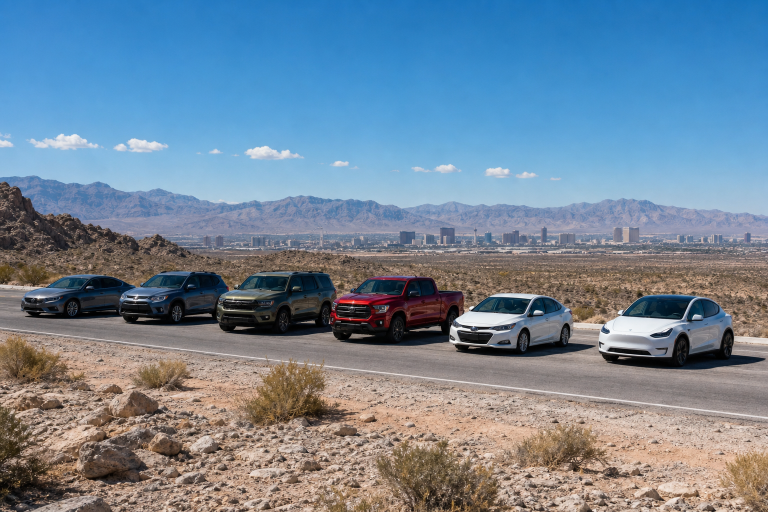
Each vehicle category solves a different set of problems. A sedan can be an efficient, easy-to-park choice for commuters who carry few passengers or large items. Crossovers often balance cargo space, seating flexibility, and a higher driving position. SUVs can serve larger families and travelers who need more passenger room, while trucks are better suited to routine hauling, towing, job-site use, and bulky equipment. Hybrids may appeal to drivers who spend substantial time in stop-and-go traffic and want to reduce fuel use. Electric vehicles can be a strong fit when the expected range comfortably covers daily routes and charging is convenient at home, work, or along frequent travel corridors. The category matters less than whether its size, capability, and operating needs fit your routine.
Check Heat-Related Comfort and Reliability Needs
During a test drive, evaluate the climate system after the vehicle has been sitting in the sun. Check whether the air conditioning cools quickly at idle and while moving, and see whether rear passengers receive adequate airflow. Ventilated seats, rear-seat vents, sunshades, practical tint options, and easy-to-use climate controls can make daily driving far more comfortable. Ask about recommended service intervals, especially for cooling-system components and batteries. Inspect tires for cracking, uneven wear, and age, because hot pavement can be unforgiving. On a used vehicle, look closely for faded paint, brittle seals, cracked hoses, weak air conditioning, fluid leaks, and warning lights that may signal deferred maintenance.
Think About Fuel, Charging, and Total Driving Cost
The purchase price is only one part of a vehicle decision. Fuel or electricity, insurance, registration, scheduled maintenance, tires, financing, and potential repairs can significantly change the long-term budget. Use a tool to calculate the total cost of ownership with realistic mileage, fuel prices, highway use, and charging patterns rather than relying on a short-term estimate. For an electric vehicle, consider where charging will happen most often, how much range remains during highway driving and hot weather, and whether regular weekend trips require public charging. For gasoline, hybrid, and diesel vehicles, compare expected fuel use against the miles you actually drive, not just the highest efficiency number on a window sticker.
Review Safety Before Comparing Style
Safety should be a baseline requirement. Compare crash-test results across similar vehicle classes, then look for practical features such as automatic emergency braking, blind-spot monitoring, lane-support systems, adaptive cruise control, rear cameras, parking sensors, and rear-seat reminders. Vehicle safety ratings and recall information can help narrow the list before a test drive. Visibility also deserves attention. Check how easily you can see traffic beside the vehicle, judge its corners in parking areas, and monitor pedestrians or objects behind it. A feature-packed vehicle can still be frustrating if the driving position, mirrors, camera view, or controls do not work well for you.
Choose the Right Amount of Power
Engine output, drivetrain, payload, and towing capacity should match actual needs. Extra power can be worthwhile for steep grades, loaded trailers, work equipment, or frequent highway travel with passengers. However, a rarely used capability can increase purchase costs and reduce efficiency.
- Match towing capacity to the fully loaded trailer weight, not the empty trailer weight.
- Check payload when carrying passengers, cargo, and trailer tongue weight together.
- Choose all-wheel drive or four-wheel drive for conditions you genuinely expect to encounter.
- Avoid paying for specialized equipment that does not support regular use.
Inspect a Used Vehicle With Extra Care
A pre-owned vehicle may offer value, but it needs a careful review. Request service records, verify title and odometer information, and review a vehicle history report. Test the air conditioning at idle and on the road, inspect tire condition, check for uneven panel gaps or signs of repairs, and look underneath for leaks. An independent inspection before purchase can uncover issues that a short drive may miss.
Use a Test Drive Checklist
Drive the vehicle in conditions that resemble your normal use when safe and legal. Include parking areas, city streets, highway speeds, and uneven pavement if possible. Check seat comfort, steering-wheel reach, road noise, braking feel, infotainment controls, and cargo access. Bring a child seat, stroller, cooler, tool bag, or other frequently carried item when practical, because real-world fit matters more than measurements alone.
Common Questions
Is a truck practical as a daily driver?
A truck can be an excellent daily choice when hauling, towing, work use, or ground clearance are regular needs. If those needs are occasional, a smaller crossover, sedan, or SUV may be easier to park and less expensive to operate.
Are electric vehicles a good fit for hot climates?
They can be, especially when convenient charging and a comfortable range buffer are available. Drivers should account for climate control, highway speed, passenger loads, and towing, since each can reduce available range.
How often should a vehicle be checked in a hot climate?
Follow the owner’s maintenance schedule while regularly checking tire pressure, battery condition, coolant, belts, hoses, and air-conditioning performance. Address small changes early before the heat turns them into larger repairs.
A Simple 2026 Vehicle-Buying Plan
- Write down the vehicle’s main daily jobs.
- Set a realistic budget that includes ownership costs.
- Choose two or three vehicle categories that fit those jobs.
- Compare safety, comfort, cargo space, fuel use, and maintenance needs.
- Inspect and test-drive the strongest options.
- Choose the vehicle that serves your regular life with the fewest compromises.
Conclusion
The best vehicle for desert driving is the one that handles regular routes, passengers, cargo, extreme heat, and road conditions, and fits within the budget without adding avoidable expense. Buyers should consider factors such as cooling performance, ground clearance, tire durability, fuel economy, reliability, and available service support, especially when traveling through remote areas. A clear driving profile, careful research, a close inspection, and a realistic test drive can help buyers make a more confident vehicle decision in 2026. Choosing a vehicle based on actual desert conditions rather than appearance or unnecessary features can also help reduce long-term operating costs and provide greater comfort and confidence during daily commutes, weekend trips, and longer journeys.
Veeramachineni Lalitha

I am Finance Content Writer. I write Personal Finance, banking, investment, and insurance related content for top clients including Kotak Mahindra Bank, Edelweiss, ICICI BANK and IDFC FIRST Bank. My experience details : Linkedin