

Introduction

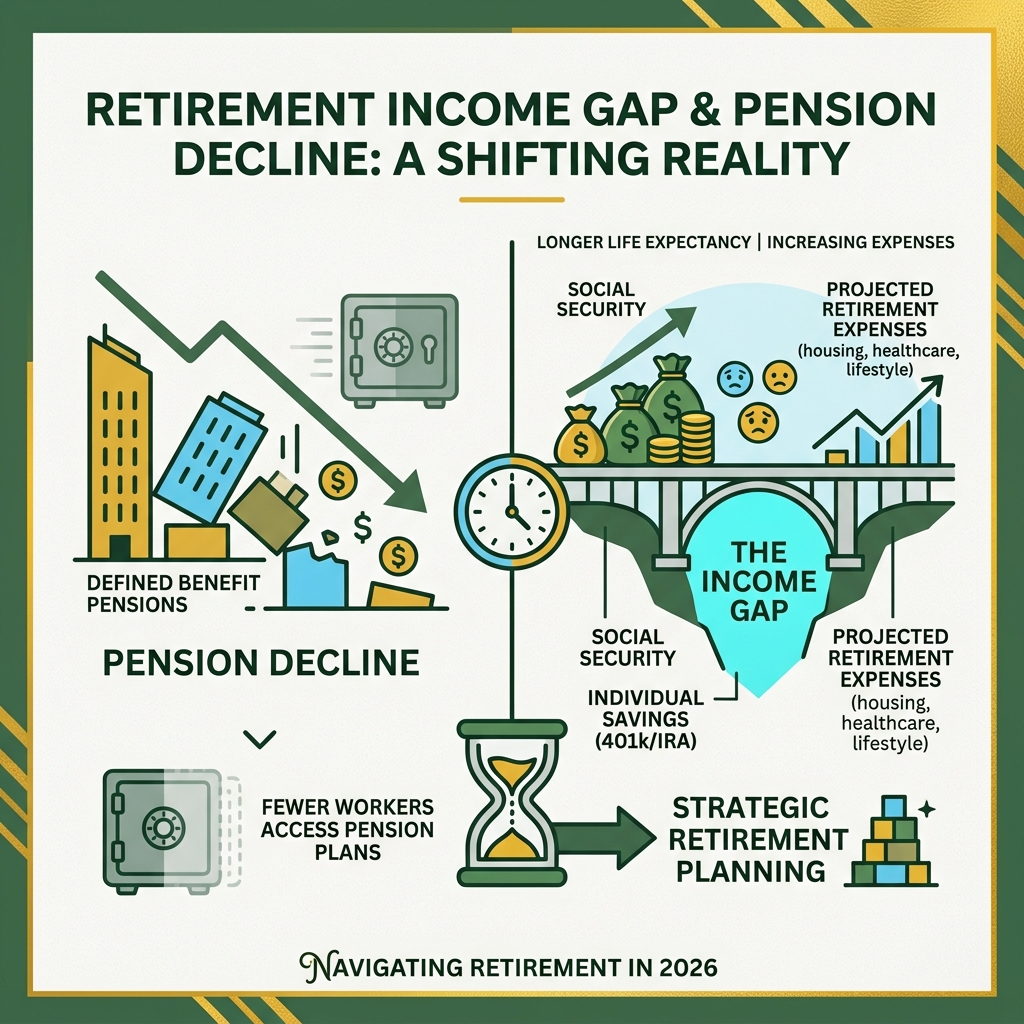
The idea of retirement once painted a clear picture: a comfortable life supported by a pension and Social Security. However, that picture has changed dramatically. Today, fewer than 15% of employees had access to a pension plan in 2023, and people are living longer than ever before. This new reality brings concerns. Many worry about outliving their savings, with studies by the Morningstar Center for Retirement & Policy Studies indicating that 45% of Americans who quit working at age 65 could run out of money in retirement. Add in market ups and downs and the rising cost of living, and it’s easy to feel anxious about funding your golden years.
We understand these worries. That’s why building a plan for Secure retirement income is more important than ever. It’s about creating a steady financial foundation that can withstand market swings and help ensure you have enough money to cover your expenses for life. This guide will explore how to build a robust income strategy, from understanding your risks to maximizing Social Security and exploring various tools like annuities, bonds, and even rental properties. Our goal is to help you achieve financial peace of mind, allowing you to enjoy the retirement you’ve worked so hard for.
Core Pillars of Modern Financial Security

Navigating retirement in May 2026 requires a proactive and strategic approach. The shift from defined benefit pensions to self-funded retirement accounts has placed greater responsibility on individuals. Understanding the fundamental risks and developing a clear strategy is paramount. We believe in building a comprehensive Retirement Income Roadmap that addresses these modern challenges head-on, focusing on portfolio protection and effective volatility management.
Social Security, while a vital component, only replaces about 40% of pre-retirement income for average earners. Maximizing these benefits is a crucial first step, often involving strategic decisions about when to claim. Delaying benefits until age 70, for instance, can significantly increase monthly payouts, providing a larger, inflation-adjusted income stream thanks to annual Cost of Living Adjustments (COLA). For a deeper dive into understanding these benefits, the Social Security Administration’s own guide, “Understanding the Benefits,” offers valuable insights. Understanding the Benefits
Assessing Essential Needs and Comfort Creep
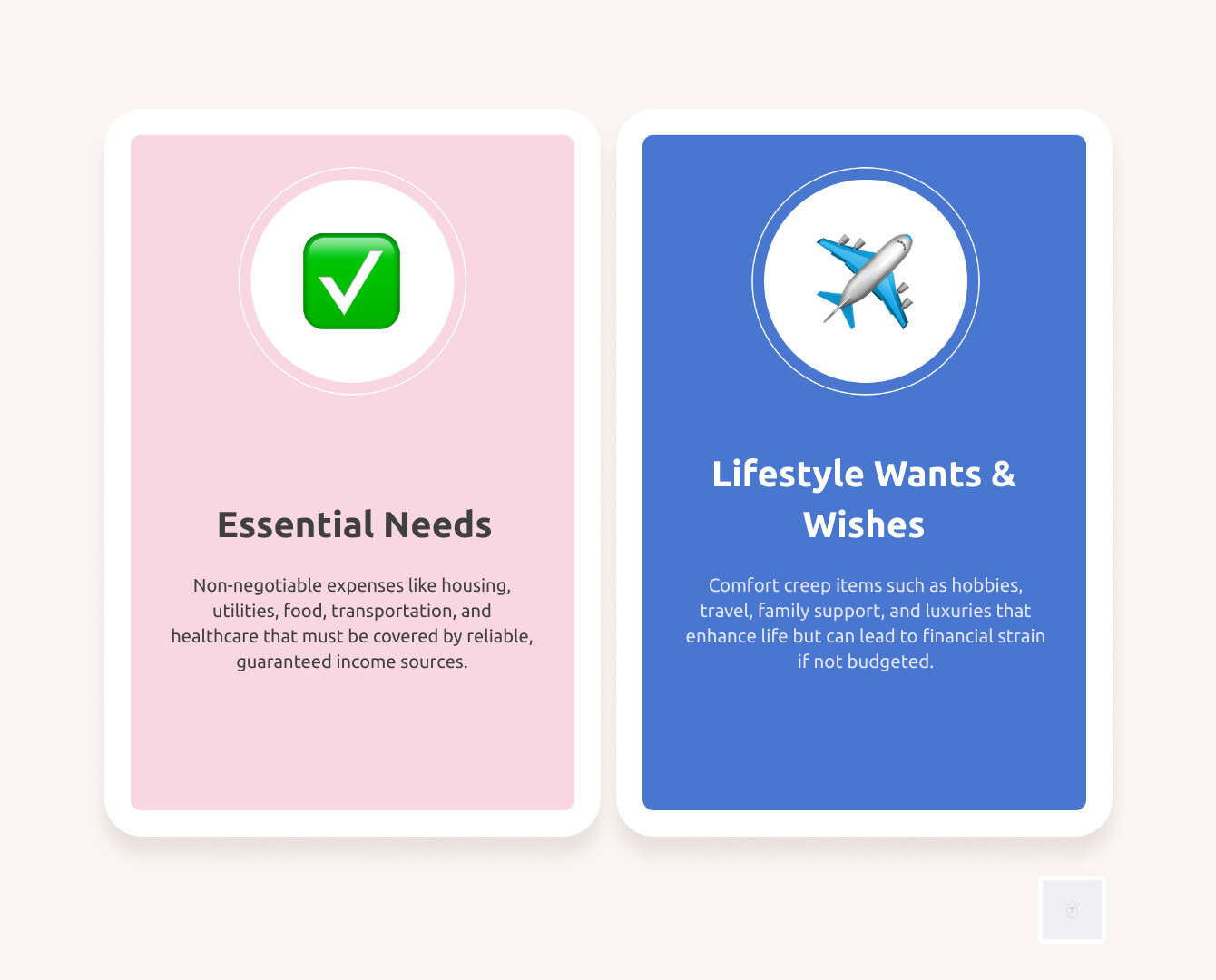
A foundational step in retirement planning is to meticulously assess your guaranteed income needs and identify any potential income gaps. This starts with a detailed budget that categorizes your expenses into “needs,” “wants,” and “wishes.” Essential expenses, or “needs,” typically include housing, utilities, food, transportation, and healthcare. These are the non-negotiables that must be covered by reliable income sources.
However, many retirees experience what we call “comfort creep.” This is where “wants” in retirement – such as hobbies, travel, or supporting family – gradually become perceived as “needs” for a fulfilling life. Failing to account for this can lead to unexpected financial strain. By clearly defining these categories, you can strategically allocate your guaranteed income to cover your needs and a portion of your comfort-driven wants. This systematic approach allows us to identify any income shortfalls that need to be addressed through other strategies. For common questions about retirement planning, our FAQs can provide further clarification.
Building a Lifetime Wealth Blueprint for Stability
To achieve genuine financial security in retirement, we advocate for a robust Lifetime Wealth Blueprint. This blueprint is designed to mitigate various risks, especially market risk and sequence of returns risk, which can significantly deplete a portfolio early in retirement. A well-constructed blueprint emphasizes strategic asset allocation, balancing growth potential with capital preservation.
The goal is to create a portfolio that can weather economic downturns while still providing the necessary income. This involves diversifying across different asset classes and investment vehicles. By focusing on risk mitigation, we aim to instill financial confidence, ensuring that market volatility doesn’t derail your retirement plans. Understanding how various Services can contribute to this blueprint is key to building a resilient financial future.
Bridging the Income Gap for Effective Retirement Planning
Once your essential expenses are identified and Social Security benefits are maximized, you may still find an income gap. This gap represents the difference between your guaranteed income sources and your total essential expenses, plus any comfort-driven wants you wish to cover with predictable income. Bridging this gap is critical for creating a “personal pension” or income floor that provides peace of mind.
For example, Michael and Lisa, a couple planning to retire next year, have essential expenses of $5,500 per month. With expected Social Security benefits of $3,500, they face a $2,000 monthly gap. This is where strategic planning comes into play. We work with clients to explore various withdrawal strategies and tax optimization techniques to efficiently draw income from their savings. Reviewing Retirement Income Planning Case Studies can offer practical insights into how others have successfully navigated similar situations. Additionally, resources like Fidelity’s guide on creating income that can last a lifetime provide valuable perspectives on building a sustainable income stream. Create income that can last a lifetime
Implementing Guaranteed Income Strategies for Retirement Planning

The quest for guaranteed retirement income extends beyond Social Security. It involves strategically implementing a mix of tools and strategies to create diversified income streams and ensure principal preservation. Our approach is to help you Reimagine Your Retirement by building a resilient income plan that minimizes financial stress and maximizes your enjoyment of retirement.
The Role of Annuities in Retirement Planning
Annuities stand out as a powerful tool for generating guaranteed retirement income, often serving as a “personal pension” for those without traditional defined benefit plans. A lifetime income annuity is a contract with an insurance company that converts a portion of your savings into a predictable stream of income for the rest of your life. This directly addresses longevity risk – the fear of outliving your savings – as the insurance company assumes the responsibility for paying you as long as you live.
There are several types of income annuities, each with unique features:
- Single-Premium Immediate Annuities (SPIAs): Purchased with a lump sum, payments begin almost immediately (within a year). These are straightforward and provide a fixed income stream.
- Deferred Income Annuities (DIAs) or Longevity Annuities: Payments begin years down the road, often at an advanced age (e.g., 80 or 85). These act as longevity insurance, protecting against the risk of living a very long life and running out of money.
- Fixed Annuities with a Guaranteed Lifetime Withdrawal Benefit (GLWB): Unlike a traditional fixed lifetime income annuity where you hand over your principal for a guaranteed payment, a GLWB is typically an optional rider on a deferred annuity. It guarantees a minimum annual withdrawal amount for life, even if the account value drops to zero due to market performance or withdrawals. You retain some control over your principal, and the investment may grow, potentially increasing your withdrawal amount. However, the guaranteed withdrawal is a percentage of a “benefit base,” which is often different from your actual account value and may not be fully accessible as a lump sum.
Annuities can also help manage market risk, as payments are guaranteed regardless of market performance. To combat inflation risk, some annuities offer an annual increase option, though this usually comes at an added cost. Payout options can include single life (income for one person), joint life (income for two people), or period certain (income for a set number of years).
The pros of income annuities include guaranteed income for life, protection against market volatility, and the peace of mind that comes from knowing essential expenses are covered. This can free up your remaining assets to be invested for growth. However, cons include liquidity limitations (your principal is generally not accessible as a lump sum), potential for lower returns compared to aggressive investments, and the need to trust the claims-paying ability of the insurance company. Typically, you’ll need to commit $100,000 or more to generate a meaningful payout, and allocating 10-20% of your retirement nest egg is a common guideline. For real-world examples of how annuities can secure income, explore our Securing Lifetime Retirement Income Case Studies.
Evaluating Providers and Financial Professionals
Choosing the right annuity provider and financial professional is critical. We recommend working with professionals who adhere to a fiduciary standard, meaning they are legally obligated to act in your best interest. Key considerations include:
- Claims-Paying Ability: Annuity guarantees are only as strong as the insurance company backing them. Always research the financial strength ratings of any prospective provider from independent agencies like A.M. Best, S&P, and Moody’s.
- Fee Transparency: Understand all fees and charges associated with the annuity, including administrative fees, mortality and expense charges (for variable annuities), and any rider costs.
- Professional Designations: Look for certifications like Certified Financial Planner (CFP®) or Chartered Financial Consultant (ChFC®), which indicate a commitment to ethical practice and ongoing education.
- Ongoing Management and Client Advocacy: A good advisor will help you integrate the annuity into your overall financial plan, monitor its performance, and advocate on your behalf if issues arise.
- Strategic Alignment: Ensure the professional understands your unique goals, risk tolerance, and comfort with different financial products.
Managing Long-Term Risks and Healthcare Costs
Beyond income generation, a comprehensive retirement plan must address long-term risks, particularly rising healthcare costs. The average couple retiring today can expect to spend hundreds of thousands on medical expenses in retirement, not including potential long-term care needs. This poses a significant threat to portfolio longevity.
Strategies to manage these costs include:
- Medicare Gaps: Medicare doesn’t cover everything. Supplemental insurance (Medigap) or Medicare Advantage plans can help cover deductibles, co-pays, and other out-of-pocket expenses.
- Long-Term Care: Consider long-term care insurance or self-funding strategies to cover potential costs for nursing homes, assisted living, or in-home care, which Medicare generally does not.
- Healthcare Inflation: Factor in healthcare inflation, which typically outpaces general inflation, when budgeting for future expenses.
- Portfolio Longevity: A well-diversified portfolio, combined with guaranteed income sources, can help ensure you have sufficient funds to cover these unpredictable costs without depleting your principal.
Other Strategies for Guaranteed Retirement Income
While annuities are a powerful tool, they are not the only way to create predictable income. A holistic approach often incorporates several strategies:
- Maximizing Social Security: As mentioned, delaying claiming benefits until age 70 can significantly increase your monthly payout. For example, the average monthly Social Security benefit for retired workers was about $2,000 in July 2025. Delaying can add thousands more annually.
- Bonds and Bond Ladders: Bonds provide fixed interest payments and return of principal at maturity. A bond ladder involves purchasing bonds with staggered maturity dates, providing regular cash flow as bonds mature and allowing for reinvestment at prevailing rates. This offers a predictable income stream with less market volatility than stocks.
- Dividend Stocks: Investing in companies with a long history of paying consistent dividends can provide a growing income stream. These companies often have stable business models. However, dividends are not guaranteed and can be cut. Diversifying across many dividend-paying stocks or using dividend ETFs can mitigate this risk.
- Rental Properties: Owning rental property can generate monthly cash flow and potential appreciation. However, it requires active management (or hiring a property manager) and comes with risks like vacancies, maintenance costs, and tenant issues.
- Guaranteed Retirement Accounts (GRAs): While not widely implemented as a federal program, GRAs are a proposed policy solution to the retirement crisis. They envision universal, affordable, and portable accounts that provide a monthly paycheck for life. Unlike traditional annuities, GRAs are a government-backed initiative, often funded by mandatory employee and employer contributions, aiming to provide a basic layer of guaranteed income for all workers. For instance, an average earner retiring at 67 might supplement a $38,000 annual Social Security benefit with an estimated $13,000 per year from a GRA, increasing their retirement income by roughly a third. This concept differs from annuities, which are private contracts with insurance companies.
Conclusion
The landscape of retirement planning has evolved, demanding a more strategic and diversified approach to income generation. By understanding the primary risks retirees face—longevity, market volatility, and inflation—and proactively implementing a blend of guaranteed income strategies, you can build a robust financial future. Whether through maximizing Social Security, strategically utilizing annuities, or diversifying with bonds, dividend stocks, and even rental properties, the goal remains the same: to create a predictable and sustainable income stream that lasts a lifetime.
The peace of mind that comes from knowing your essential expenses are covered by guaranteed income is invaluable. It allows you the freedom to enjoy your retirement, pursue your passions, and invest your remaining assets for growth without constant worry. We encourage you to assess your unique needs, explore these strategies, and consult with a qualified financial professional to tailor a plan that ensures your retirement is not just secure, but truly fulfilling.
Veeramachineni Lalitha

I am Finance Content Writer. I write Personal Finance, banking, investment, and insurance related content for top clients including Kotak Mahindra Bank, Edelweiss, ICICI BANK and IDFC FIRST Bank. My experience details : Linkedin