

Table of Contents
- Native Plantings
- Outdoor Living Spaces
- Low-Maintenance Gardens
- Smart Irrigation Systems
- Permeable Paving
- Wildlife-Friendly Features
- Edible Landscaping
- Energy-Efficient Lighting
- Conclusion
Many homeowners today are seeking ways to create beautiful, functional outdoor spaces while also caring for the environment. The latest trends in sustainable landscape design offer inspiring solutions that allow you to enjoy your backyard while treading lightly on the planet. Integrating eco-friendly ideas such as native plantings, smart water management, and resilient outdoor features allows you to build an outdoor space that looks great and supports long-term environmental health. Whether you want to create a natural habitat or an inviting space for friends and family, today’s landscape trends can help you achieve your goals. If you’re ready to blend beauty with sustainability, ideas like outdoor kitchen design and living spaces built with nature in mind are leading the way. Embracing these cutting-edge practices not only enhances curb appeal but also fosters a deeper relationship with the world beyond your door. From local wildlife conservation to energy-saving solutions, each aspect of sustainable landscaping is a step toward preserving the natural resources for future generations. Homeowners who invest in sustainable design enjoy the satisfaction of a low-maintenance, visually impressive, and environmentally responsible landscape.
Native Plantings
Choosing native plants is one of the simplest and most effective ways to support sustainability in your yard. Local species have evolved for your climate and soil, needing minimal water and fertilizer to thrive. By selecting native grasses, shrubs, and wildflowers, you can support pollinators and other wildlife, create resilient landscaping, and minimize the use of pesticides and herbicides. Efforts to “re-wild” properties are growing, with homeowners restoring natural habitats and reducing the burden on municipal water supplies. To get started, review lists of native plants for your area or consult organizations like the National Audubon Society, which provides region-specific guidance.
Outdoor Living Spaces
Homeowners are maximizing outdoor comfort by transforming patios, decks, and gardens into extensions of their living space. Using eco-friendly materials like reclaimed wood, recycled composites, or responsibly sourced stone makes these retreats both durable and sustainable. Adding umbrellas, pergolas, and natural shade structures enhances comfort year-round. Thoughtful design encourages outdoor dining, socializing, and relaxation, making your yard a true sanctuary that connects you with the natural world. In urban areas, defined outdoor rooms with integrated amenities, such as fire pits or weatherproof seating, are growing in popularity for their versatility.
Low-Maintenance Gardens
Low-maintenance gardening is a powerful trend for busy families and those seeking to conserve resources. Focus on drought-tolerant plants, mulch, groundcovers, and native species to reduce the need for watering and synthetic fertilizers. Meadowscaping, one of the most prominent trends, encourages the use of native grasses and perennial flowers that need little intervention while providing seasonal color and supporting biodiversity.
Smart Irrigation Systems
Modern irrigation technology enables homeowners to water lawns and gardens more precisely than ever before. Smart irrigation controllers monitor weather patterns, soil moisture, and plant water needs, automatically adjusting watering schedules. This technology drastically reduces water waste, saves money, and fosters healthy plant growth. Drip irrigation and moisture sensors can be integrated to deliver water more efficiently.
Permeable Paving
Replacing concrete or asphalt with permeable paving helps stormwater soak into the ground instead of running off and contributing to flooding and erosion. These surfaces, which include pavers, permeable concrete, and loose gravel, are ideal for walkways, driveways, and patios. They provide structural support while allowing rain to recharge groundwater and filter pollutants. This approach not only mitigates water management challenges but also helps reduce heat accumulation that is common in hardscaped urban environments.
Wildlife-Friendly Features
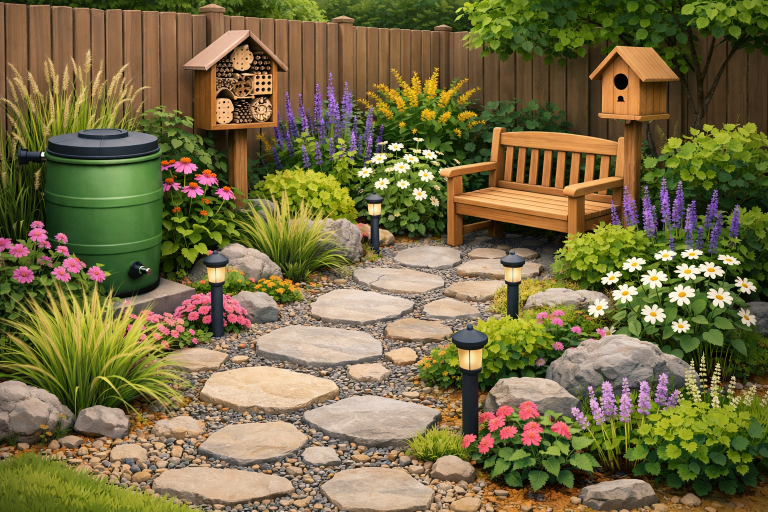
Creating a haven for wildlife adds life and diversity to any yard. Homeowners are increasingly adding features like birdhouses, bee hotels, and butterfly gardens to attract beneficial species. Water elements such as small ponds and birdbaths invite amphibians and birds, while native hedgerows provide shelter for small mammals. These enhancements not only support declining pollinator populations but also offer fascinating, up-close interactions with nature.
Edible Landscaping
Edible landscapes blend visual beauty with practical benefits. Planting herbs, vegetables, fruiting shrubs, and trees as decorative elements reduces your need for trips to the grocery store, lowers your environmental footprint, and lets you enjoy hyper-local produce. Berries, dwarf fruit trees, and raised vegetable beds fit well in small yards and urban spaces. This approach encourages children and adults alike to reconnect with the growing process and seasonal cycles of their region.
Energy-Efficient Lighting
Lighting outdoor spaces keeps them safe while extending enjoyment into the evening hours. Using LED lights and solar fixtures is the most efficient way to provide necessary illumination with minimal energy use and light pollution. Layered lighting plans, combining path lights, spotlights for landscape features, and subtle accent lights, highlight the beauty of your yard after dark without disturbing local wildlife or sleeping neighbors. Adopting these sustainable landscape design trends enables homeowners to build appealing, practical, and environmentally conscious outdoor spaces. With thoughtful choices, yards can become beautiful sanctuaries that benefit people and the planet for years to come.
Conclusion
Sustainable landscape design is transforming the way homeowners approach outdoor living by blending natural beauty, functionality, and environmental responsibility. From native plantings and wildlife-friendly gardens to smart irrigation and energy-efficient lighting, these modern trends help create outdoor spaces that are both visually appealing and eco-conscious. By incorporating sustainable features into your landscape, you can reduce maintenance, conserve valuable resources, and enjoy a healthier connection to nature. Thoughtful landscaping choices not only enhance your property’s long-term value but also contribute to a greener, more sustainable future for generations to come.
Veeramachineni Lalitha

I am Finance Content Writer. I write Personal Finance, banking, investment, and insurance related content for top clients including Kotak Mahindra Bank, Edelweiss, ICICI BANK and IDFC FIRST Bank. My experience details : Linkedin