

Key Takeaways
- Integration of renewable energy sources is central to sustainable manufacturing.
- Advanced technologies like AI and automation enhance efficiency and reduce waste.
- Modular and flexible facility designs support adaptability and sustainability.
- Water conservation and recycling are critical in reducing environmental impact.
- Achieving certifications like LEED Platinum signifies a commitment to sustainability.
Table of Contents
- Renewable Energy Integration
- Advanced Technologies Enhancing Efficiency
- Modular and Flexible Facility Designs
- Water Conservation and Recycling
- Achieving Sustainability Certifications
- Conclusion
As global sustainability efforts intensify, the manufacturing sector is rapidly evolving to minimize its environmental footprint. Modern approaches center on innovative solutions, operational efficiencies, and eco-friendly investments. Companies are embracing transformative trends, from renewable energy resources to cutting-edge facility designs, all driven by the growing necessity for responsible production. Forward-thinking organizations are not only responding to regulatory demands and public expectations but are also leveraging these changes to build more resilient, future-ready operations. As part of this evolution, strategic manufacturing facility construction is playing a crucial role, enabling companies to integrate new green technologies from the ground up.
In this article, we explore the key trends defining the next chapter of sustainable manufacturing. Discover how industry leaders are adopting innovative practices and achieving significant sustainability milestones while boosting operational performance and market competitiveness.
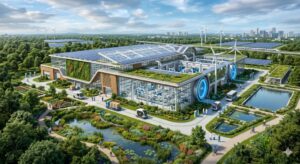
Renewable Energy Integration
One of the key advancements in sustainable manufacturing is the integration of renewable energy sources, which has become commonplace for businesses aiming to reduce carbon emissions. A notable example is LEGO’s installation of over 40,000 solar panels at its Virginia plant, expected to provide over 28 megawatts of renewable energy, aligning with its goal of carbon-neutral production by 2027. This trend reflects a broader commitment among manufacturers to cleaner energy. Beyond electricity, manufacturers are now harnessing geothermal energy for heating and cooling, using bioenergy for various processes, and exploring green hydrogen as a sustainable fuel. These initiatives not only advance decarbonization efforts but also provide a buffer against fluctuating traditional energy prices. Additionally, investments in energy storage solutions, such as advanced batteries and microgrids, enhance control over energy consumption, ensuring reliability amid the transition away from fossil fuels. Corporate power purchase agreements with off-site renewable sources are gaining traction as a way to secure a consistent supply of green energy while fostering the development of new wind and solar projects in the area.
Advanced Technologies Enhancing Efficiency
The digital transformation in industry continues to revolutionize productivity and environmental stewardship. Artificial intelligence and automation enable precision in manufacturing processes, reducing raw material use and eliminating much of the inefficiency that leads to waste. AI-driven predictive maintenance keeps production lines operating optimally and reduces energy consumption, while real-time analytics help refine processes for maximum resource utilization. The global embrace of Industry 4.0 digitalization is creating digitally connected factories that are not only more efficient but also more eco-conscious.
Furthermore, the implementation of the Internet of Things (IoT) is transforming monitoring and maintenance, as networked sensors gather data on resource use, emissions, and equipment status. This information supports continuous improvement and fast problem-solving, which collectively drive sustainable outcomes. Robotics and 3D printing are enabling highly customized production at lower volumes, reducing unnecessary waste and energy use compared with conventional mass-production techniques. As manufacturers further embrace these tools, they are uncovering additional opportunities to meet sustainability targets while maintaining high-quality outputs and flexibility in production processes.
Modular and Flexible Facility Designs
Facility design itself has become a core part of the sustainability strategy. Manufacturers are increasingly turning to modular designs for production plants, allowing them to expand, contract, or shift focus with minimal disruption or waste. Flexible infrastructure means businesses can adapt rapidly to new technologies or product lines, reducing the need for complete overhauls or resource-draining retrofits. The emphasis on modularity aligns with the broader industry trend of prioritizing longevity and adaptability.
These new approaches to facility configuration also allow manufacturers to implement sustainable construction materials, including recycled steel, low-carbon concrete, and responsibly sourced timber. By designing for disassembly and reconfiguration, facilities can be redeployed as organizational and market needs evolve. Additionally, companies are beginning to embrace biophilic design elements, such as green roofs, enhanced natural lighting, and improved indoor air quality, which contribute to both environmental performance and healthier, more productive workplaces. This holistic perspective on facility design is crucial as manufacturers seek to align sustainability goals with tangible outcomes in energy use, resource consumption, and worker well-being.
Water Conservation and Recycling
Manufacturing is often water-intensive, but innovative water management practices are changing the status quo. From closed-loop water recycling systems to investments in ultra-filtration technologies, the industry is striving to reduce freshwater withdrawals and reuse treated water within plant operations. In the semiconductor sector, where ultra-pure water is crucial, this shift has been particularly impactful. Leading manufacturers are installing advanced water conservation infrastructure, saving millions of gallons annually and significantly reducing their environmental impact.
Moreover, companies are investing in rainwater-harvesting systems, greywater-reuse technologies, and smart irrigation controls for surrounding landscapes. Water stewardship programs are now a core part of sustainability reports, and collective initiatives, such as those overseen by the Alliance for Water Stewardship, are helping manufacturing leaders share best practices and collaborate on regional solutions. As regulatory requirements around water use tighten globally, proactive conservation and treatment investments enable manufacturers to stay ahead of compliance requirements, reduce operational risks, and demonstrate meaningful progress toward their environmental, social, and governance (ESG) goals.
Achieving Sustainability Certifications
Certifications like LEED (Leadership in Energy and Environmental Design) demonstrate a commitment to sustainable building standards. The Siemens Mitras plant in Mexico is notable as the first facility to achieve LEED Platinum certification, highlighting the importance of adhering to green construction principles and energy efficiency. Moreover, certifications such as ISO 14001 and ENERGY STAR are increasingly influencing industry best practices by necessitating regular audits and improvements. These certifications are vital in procurement decisions, fostering demand for eco-friendly products. Companies embracing sustainable manufacturing through renewable energy, smart technologies, and recognized certifications will be well-positioned to build trust and meet the growing global demand for responsible manufacturing.
Conclusion
Sustainable manufacturing is rapidly evolving through the integration of renewable energy, advanced digital technologies, flexible facility designs, and responsible resource management. By investing in cleaner energy sources, improving operational efficiency with AI and IoT, conserving water, and pursuing recognized sustainability certifications, manufacturers can reduce environmental impact while strengthening long-term resilience and competitiveness. As global demand for environmentally responsible production continues to grow, companies that embrace innovation and sustainability will be better positioned to build trust, meet regulatory expectations, and lead the future of modern manufacturing.
Veeramachineni Lalitha

I am Finance Content Writer. I write Personal Finance, banking, investment, and insurance related content for top clients including Kotak Mahindra Bank, Edelweiss, ICICI BANK and IDFC FIRST Bank. My experience details : Linkedin