

Key Takeaways
- A recurring clog is worth investigating, even when a plunger or quick cleaning restores flow temporarily.
- One slow fixture often suggests a local obstruction, while several affected fixtures can indicate a shared drain or sewer-line issue.
- If wastewater is backing up, stopping water use quickly can reduce the chance of further overflow and damage.
- Drain cleaning, camera inspection, and pipe repair serve different purposes and should not be treated as the same service.
- Clear records, visible inspection findings, and specific questions can make a major repair decision easier to evaluate.
A Small Clog Can Offer a Useful Clue
A bathroom sink that drains slowly, works again after a quick fix, then clogs a few weeks later is more than an everyday inconvenience. For homeowners in Provo, Utah, repeated drainage trouble may be a sign to look beyond the immediate fixture. Professional drain cleaning services in Provo Utah can help identify whether the blockage is near the sink, farther along a branch line, or connected to a larger drainage concern.
That does not mean every repeat clog calls for excavation or pipe replacement. Many clogs are caused by ordinary buildup. The first useful step is to notice the pattern, protect the property if water starts backing up, and seek an assessment that explains what was found and what the proposed work is intended to address.
Read the Pattern Before Reaching for a Tool
The fixture involved, the timing, and the direction of the backup all matter. A kitchen sink that drains slowly on its own may have a local buildup of grease or food residue. A toilet that gurgles when the washing machine drains, or a tub that fills when another fixture is used, can suggest a restriction farther down the plumbing system.
Symptoms Worth Tracking
- Only one sink, tub, shower, or toilet drains slowly.
- Several fixtures become slow around the same time.
- A toilet bubbles or gurgles when nearby water is running.
- Water appears at a lower-level shower, tub, or floor drain.
- Unpleasant drain odors return after cleaning.
- The same fixture clogs again shortly after service.
In Provo homes, this kind of observation is especially useful because plumbing layouts, pipe ages, and past remodeling work can vary significantly from one property to the next. The symptom pattern helps narrow the inspection, but it does not prove the cause on its own.
Common Reasons a Drain Clog Returns
Recurring fixture clogs often involve material that builds up over time. Hair and soap residue can collect in bathroom drains. Grease, oils, food scraps, and detergent residue can restrict kitchen lines. Toilets may clog when items other than human waste and toilet paper enter the drain.
A repeat problem can also point to a condition in the pipe itself. Roots may enter through openings in underground piping. Older pipes can develop rough interiors that catch debris. A shifted joint, damaged section, or low area in a line may allow solids to collect rather than move through normally. Cleaning may restore flow, but pipe conditions can remain even after the immediate obstruction is removed.
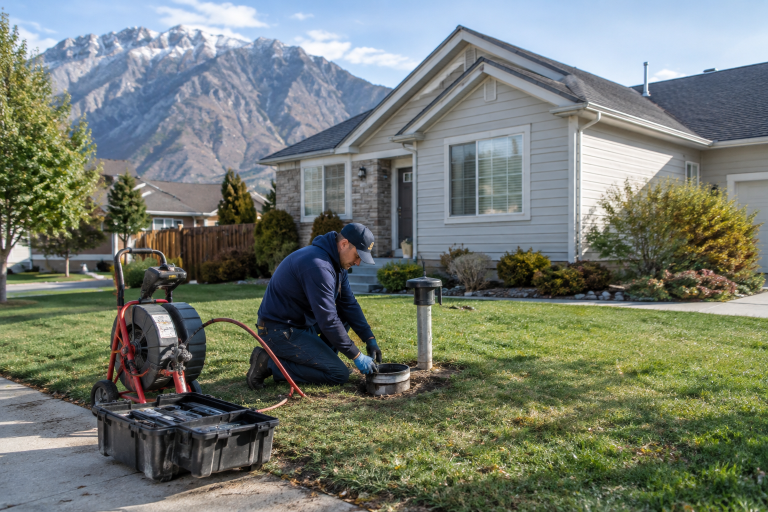
The important distinction is between an observed symptom and a confirmed diagnosis. Before approving extensive work, ask how the technician determined the blockage location, whether the line was fully accessed, and what evidence supports the recommendation.
What to Do During an Active Backup
When wastewater rises through a drain, the priority is limiting additional water from entering the system. Do not keep testing fixtures to see whether the problem has cleared. Instead, take these practical steps:
- Stop flushing toilets.
- Pause showers, sinks, laundry machines, dishwashers, and garbage disposals.
- Keep children and pets away from the affected space.
- Move nearby belongings if it is safe to do so without touching contaminated water.
- Contact a qualified plumbing professional for an urgent assessment.
- Tell the technician if any drain-cleaning chemicals were used.
Wastewater can contaminate surfaces and belongings, so people should avoid contact with sewage-contaminated water and use appropriate protective gear if cleanup is necessary. If water is near electrical equipment or outlets, avoid entering the area until it can be addressed safely.
Why Chemical Drain Cleaners Need Caution
Chemical products can sometimes create temporary movement through a partial clog, but they may not remove the full buildup. They also create a safety issue when someone later plunges, opens a trap, or uses drain-cleaning equipment in the line. Always disclose recent product use before anyone begins work.
- Do not mix different drain-cleaning products.
- Do not add more chemical cleaner because the first product did not work.
- Do not run more water into a drain that is actively backing up.
- Do not take apart piping if chemical residue may still be present.
- Do not assume boiling water is appropriate for every fixture or pipe material.
Drain Cleaning and Pipe Repair Are Not the Same
Drain cleaning is meant to restore passage through a blockage or remove buildup from inside the line. Depending on the situation, a technician may use a cable, cutting head, or other equipment to open the drain. Pipe repair addresses a structural issue such as a crack, offset, separation, or collapsed section.
These services can be related, but one does not automatically include the other. A clear scope of work should explain whether the goal is immediate flow restoration, more thorough cleaning, visual inspection, or repair of a confirmed defect.
When a Camera Inspection Makes Sense
A camera inspection can be valuable when the same clog keeps returning, several fixtures are affected, roots or pipe damage are suspected, or a homeowner is considering a substantial repair. A waterproof camera can travel through accessible drain piping and provide a visual record of interior conditions. The basic purpose of a CCTV drain camera is to inspect the inside of a pipe without opening the surrounding floor, wall, or yard.
Camera footage may reveal buildup, roots, standing water, visible cracks, or misaligned joints. It also has limits. A camera cannot show a section it cannot reach, and a complete blockage may need to be opened before inspection is possible. Ask whether the camera reached the suspected trouble area and whether the footage supports the proposed repair.
Questions to Ask Before Approving Major Work
- Where is the blockage or damaged area believed to be located?
- What evidence supports that conclusion?
- Did the inspection reach the relevant section of pipe?
- Will cleaning remove buildup or simply open a path through it?
- Is there visible pipe damage, or is the issue limited to debris?
- Which portions of the line are included in the quoted work?
- What remains uncertain after the assessment?
- Would a second opinion be reasonable before a major replacement?
Keep Better Drain Records and Build Practical Habits
A simple drain log can make repeat issues easier to understand. Record the date, fixture, symptoms, recent water use, cleaning method, result, and how long the drain stayed clear. This is useful for rental properties, shared plumbing systems, and homes where several people notice problems at different times.
For day-to-day prevention, keep grease and cooking oil out of sinks, use hair screens in showers and tubs, flush only appropriate toilet waste, and pay attention to new gurgling or odors. These habits cannot prevent every drainage problem, but they can reduce common sources of buildup and help catch developing issues before they become a messy backup.
Conclusion: Treat Repeat Clogs as Information
A recurring clog is a signal, not an automatic verdict that a sewer line must be replaced. Start with safe water-use decisions, track the pattern, and seek a clear explanation of what was found. By separating cleaning, inspection, and repair into distinct decisions, Provo property owners can respond more confidently and protect their homes from unnecessary disruption.
Veeramachineni Lalitha

I am Finance Content Writer. I write Personal Finance, banking, investment, and insurance related content for top clients including Kotak Mahindra Bank, Edelweiss, ICICI BANK and IDFC FIRST Bank. My experience details : Linkedin