

Table of Contents
- AI Integration in Recruitment
- Embracing Skills-Based Hiring
- Leveraging DEI Analytics
- Utilizing Talent Intelligence Platforms
- Focusing on Internal Mobility
- Harnessing Social Media for Recruitment
- Integrating the Gig Economy
- Conclusion
As the job market continues to shift and evolve, organizations face intense pressure to refine their strategies for attracting and retaining elite employees. Teams that adopt updated, data-driven recruitment tactics not only gain an edge in securing talent but also boost long-term business results. For companies struggling to keep pace with global shifts and candidate expectations, exploring talent acquisition best practices is an important place to start.
Modern recruitment is far more than matching resumes to job titles. Today’s most effective strategies interweave advanced technology, diversity goals, data analytics, and flexible hiring models. This guide provides a roadmap to help organizations rethink their approach and position themselves as employers of choice.
Innovative talent acquisition is reshaping how companies compete in a tight labor market. Research from Harvard Business Review explores why agile, skills-focused recruiting models are essential as employers adapt to digital transformation and remote work trends.
AI Integration in Recruitment
Artificial intelligence has emerged as a powerful force in transforming recruitment. Modern platforms leverage AI for everything from resume parsing to automated interview scheduling. By automating repetitive administrative tasks, human resources teams can devote more time to building relationships with candidates and improving the overall hiring experience.
Companies like Unilever are at the forefront of this shift. By using AI-driven candidate assessments, they have dramatically cut down hiring timelines while also raising the average quality of new hires. These assessments analyze candidate responses to key job-related traits, enabling a more consistent and objective selection process. The Guardian reports that Unilever’s AI-driven hiring processes have saved 100,000 hours of interviewing time and approximately $1 million in recruitment costs annually.
Embracing Skills-Based Hiring
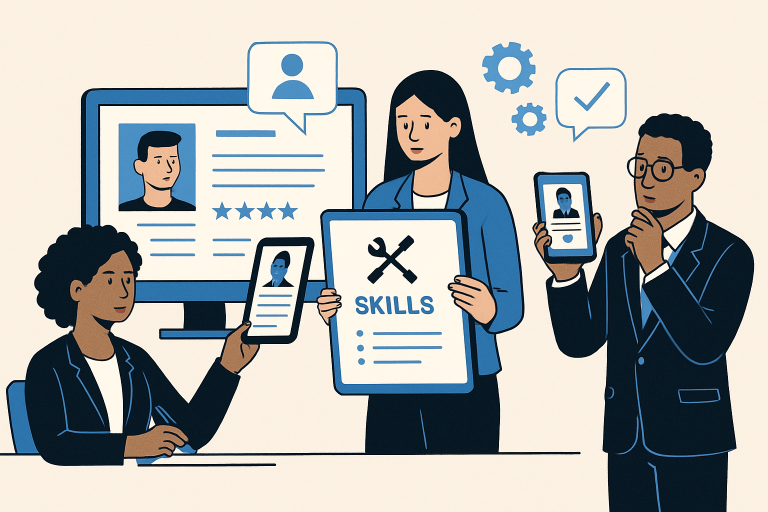
Traditional job descriptions that emphasize tertiary qualifications are falling out of favor. Now, many forward-thinking employers are prioritizing the specific skills and competencies required for the position to accurately measure representation in a broader talent pool that might otherwise be overlooked solely based on degrees or conventional backgrounds.
IBM’s apprenticeship programs are an example of skills-based hiring in action. Rather than screening for formal education, they focus on practical skill sets, on-the-job learning, and hands-on experience. This method creates stronger, more diverse teams with proven competencies that map directly to evolving business needs. IBM’s Apprenticeship Program provides opportunities for individuals without a four-year degree to gain valuable skills and credentials.
Leveraging DEI Analytics
Building diverse, equitable, and inclusive workforces is a core priority for modern organizations. DEI analytics allow teams to accurately measure representation, pinpoint hiring biases, and set tangible goals for improvement. Armed with this data, HR professionals can initiate focused programs to ensure their candidate pipelines are both wide-reaching and fair.
Companies leveraging DEI analytics see improved innovation, employee satisfaction, and business outcomes. Regularly tracking diversity metrics and evaluating progress ensures that those efforts translate into lasting organizational change. For more guidance on implementing effective DEI practices, the Society for Human Resource Management offers valuable strategies and resources.
Utilizing Talent Intelligence Platforms
A new wave of talent intelligence solutions provides businesses with critical data insights into workforce trends, competitive hiring activity, and skill demands. These platforms gather and synthesize information from thousands of sources, enabling recruiters to make strategic decisions based on real-time signals from the global talent landscape.
By anticipating market shifts and potential talent shortages, HR teams position themselves to respond swiftly to changing demands. This intelligence empowers organizations to be proactive rather than reactive in attracting talent, creating a substantial competitive advantage.
Focusing on Internal Mobility
Nurturing internal talent is just as important as recruiting externally. Promoting career growth and developing employees to move across functions fosters loyalty while reducing the time and financial costs attached to new hires. Encouraging internal mobility can also help improve employee morale and retention as team members see opportunities for advancement within the organization.
Companies that actively coach and mentor their workforce for future roles benefit from a more agile organization, readily equipped to fill skill gaps with known talent that already aligns with the company’s values and culture.
Harnessing Social Media for Recruitment
Social media channels like LinkedIn, Twitter, and even Instagram have become recruitment powerhouses. Modern employers leverage these platforms to broadcast job openings, share authentic stories about company culture, and interact directly with passive and active candidates.
A vibrant employer brand online translates to increased interest in open positions and greater trust with prospective talent. Continually refreshing content and celebrating employee milestones also nurture community engagement, which can organically extend your reach beyond traditional job boards.
Integrating the Gig Economy
The gig economy is reshaping organizational hiring models by providing immediate access to specialized talent and skills on a flexible basis. By integrating freelancers and contract workers for project-based needs, companies can access hard-to-find expertise without the overhead of permanent employment. This model offers agility, cost control, and the ability to adapt workforce size in response to market needs.
For organizations exploring gig-based hiring, it is crucial to develop a clear strategy for onboarding, project management, and performance measurement to ensure both short-term success and long-term talent relationships.
Conclusion
The modern workforce is defined by constant change, rapid technological adoption, and evolving candidate expectations. Companies that embrace AI, shift toward skills-based hiring, prioritize inclusion, utilize data-driven intelligence, support career mobility, build a strong online presence, and leverage the gig economy are best positioned for success. By refining recruitment approaches and aligning with talent acquisition best practices, organizations can secure the capabilities they need to thrive now and into the future.
Veeramachineni Lalitha

I am Finance Content Writer. I write Personal Finance, banking, investment, and insurance related content for top clients including Kotak Mahindra Bank, Edelweiss, ICICI BANK and IDFC FIRST Bank. My experience details : Linkedin