

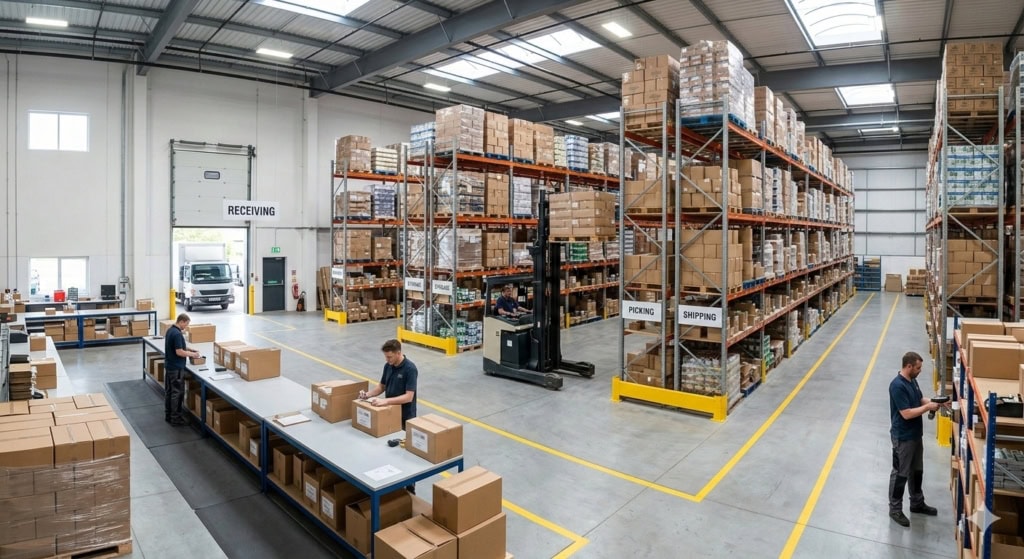
Growing a home business to the point where your garage, spare room, or driveway can no longer contain your inventory is a major milestone. Expansion means more customers, more revenue, and more complexity. However, it also means you’ll need to think differently about space, systems, and scalability. Moving into a warehouse isn’t just about more square footage; it’s about building an operation that supports sustained growth.
This article breaks down the key steps to take when transitioning from a home-based setup to a warehouse environment.
1. Clearly Define Your Expansion Goals
Before you sign a lease or lease-purchase agreement, clarify why you need a warehouse. Are you increasing inventory levels? Planning to offer faster shipping? Adding new product lines? Understanding your objectives shapes the type of space you need and informs key decisions such as location, layout, and equipment.
2. Choose the Right Warehouse Space
Choosing the right warehouse involves more than simply finding a larger space than your home. Location plays a major role, particularly in terms of access to transport links, delivery carriers, and your customer base. A well-located warehouse can reduce shipping times and costs, while a poorly positioned one can create ongoing logistical challenges. Costs should also be carefully evaluated, including rent, utilities, insurance, and any necessary modifications.
3. Plan Your Workflow and Layout
Unlike a home setting, a warehouse needs a workflow that minimizes travel time and maximizes efficiency. Draw a rough layout showing how inventory flows from arrival through storage to shipping.
Vital considerations include:
- Receiving and staging areas
- Picking and packing zones
- Storage configurations
- Shipping and loading docks
A well-planned layout reduces labor costs and prevents bottlenecks as order volumes rise.
4. Invest in Warehouse Storage Solutions
One of the biggest changes when moving to a warehouse is handling storage at scale. Standard garage shelving won’t cut it when you’re dealing with pallets, bulk goods, or heavy inventory. This is where professional storage systems come into play. Pallet racking, for example, allows you to store goods vertically and safely, making full use of your warehouse’s cubic space. Well-designed racking systems improve accessibility, organization, and stock control.
To get started, consider consulting a specialist racking manufacturer. A supplier can help you determine the right type of pallet racking for your products and warehouse layout and provide professional installation that meets safety standards.
5. Implement Inventory Management Tools
As order volumes increase, managing inventory manually becomes inefficient and error-prone. You’ll benefit significantly from dedicated inventory management software that connects stock levels with sales, purchasing, and shipping processes. Modern systems allow you to track inventory in real time, helping you understand exactly what is in stock, what is reserved for orders, and what needs to be reordered. You might find that, over time, reporting and analytics provide valuable insights into sales trends, fast-moving products, and seasonal demand, allowing you to plan inventory levels more strategically and improve cash flow.
6. Focus on Safety and Compliance
Operating a warehouse introduces new safety and compliance responsibilities that you must take seriously. Fire regulations, building codes, and health and safety requirements vary by location and industry, so it’s important to understand what applies to your operation. Clear signage, marked walkways, and unobstructed emergency exits help reduce accidents, while proper training ensures staff know how to handle equipment and materials safely.
7. Expand Your Team
A warehouse operation typically requires more hands and more specialized roles than a home business. As your operation grows, you may need staff dedicated to receiving goods, picking and packing orders, operating material-handling equipment, or overseeing daily operations.
Moving from a home business to a dedicated warehouse operation is a transformative step. With thoughtful planning, the right space, and the right storage solutions, you’ll be positioned for smoother operations and accelerated growth.
Veeramachineni Lalitha

I am Finance Content Writer. I write Personal Finance, banking, investment, and insurance related content for top clients including Kotak Mahindra Bank, Edelweiss, ICICI BANK and IDFC FIRST Bank. My experience details : Linkedin