

Key Takeaways
- Spend management platforms provide centralized, real-time expense tracking and financial control.
- AI-driven analytics help uncover spending trends and anomalies, reducing manual intervention and errors.
- Automation in procurement and expense reporting improves speed and accuracy and enables more strategic supplier engagement.
- Compliance features and mobile-first platforms enhance flexibility and support remote teams.
- Regular spend analysis identifies critical savings opportunities and optimizes supplier relationships.
Modern businesses operate in a fast-paced environment where controlling expenses can be the difference between stagnation and sustainable growth. As organizations strive for efficiency, the adoption of innovative digital tools has never been more vital. In particular, using centralized platforms and intelligent automation can unlock financial clarity, speed up decision-making, and ensure that every dollar spent drives value. For startups especially, selecting the right business credit cards for startups can offer a streamlined way to manage company spend, increase purchasing power, and gain greater financial oversight from the start.
These solutions are not just about tracking receipts or logging invoices. They empower finance teams to gain real-time visibility, foster policy compliance, and optimize procurement. Businesses of all sizes, from nimble startups to large enterprises, are discovering that embracing automated and intelligent spending tools is key to driving both productivity and compliance in the modern era.
Implementing Spend Management Platforms
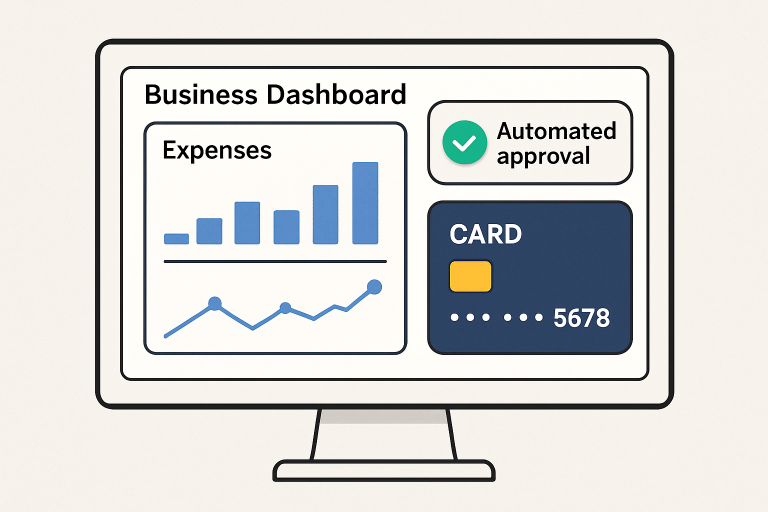
Businesses increasingly turn to dedicated spend management platforms as a foundation for financial health. These platforms do more than just track transactions. They consolidate company spending into a single dashboard, integrating expense approvals, budgets, and corporate card processing. Companies like Pleo and Brex offer tools that allow finance teams to review outlays across suppliers, invoices, and team purchases in real time. With instant visibility into every transaction, leaders are better equipped to monitor budgets, address overspending, and forecast future needs. Investing in robust spend management technology can minimize human error, speed up financial reporting, and drive business-wide transparency. According to The Wall Street Journal, CFOs are increasingly prioritizing these types of automations to bolster both oversight and efficiency.
Leveraging AI for Enhanced Spend Analytics
Artificial Intelligence is redefining how companies analyze expenses. Innovative AI-powered tools quickly categorize vast volumes of transactions, eliminating time-consuming manual processes. These tools can connect spending patterns to suppliers, departments, and categories, and even flag unusual or suspicious activities in real-time. For finance teams, this means moving beyond basic reporting to actionable analytics, enabling robust financial decision-making. As highlighted in industry sources, AI technology not only delivers cleaner, more consistent datasets but also supports compliance by identifying anomalies before they become costly mistakes.
Automating Procurement Processes
Procurement automation allows companies to engage suppliers and order products more seamlessly. Modern solutions feature live product catalogs, dynamic price updates, and digital purchase processes that are more transparent, streamlining everything from selection to approval and receipt of goods. Integrating procurement platforms with supplier systems reduces friction and fosters accurate, timely ordering, accelerating the entire purchasing lifecycle. McKinsey & Company notes that digital procurement helps improve compliance and makes it easier to optimize inventory, ultimately giving businesses a competitive edge in supplier negotiations and workflow efficiency. For companies facing supply chain disruptions or rapid scaling, automation is a critical tool for maintaining operational resilience.
Integrating Travel and Expense Management
Managing employee travel and related expenses can be a significant administrative burden. Unified travel and expense (T&E) management platforms address this challenge by combining trip booking, policy controls, expense reimbursement, and reporting into a single user-friendly interface. Employees benefit from simplified claim processes and automated receipt capture, while managers gain clearer oversight of travel spend and better tools for forecasting and tax compliance. These integrated T&E solutions also make it easier to align with company policies and eliminate accidental policy breaches. According to Forbes Tech Council, organizations adopting automated T&E platforms see faster processing, fewer errors, and improved employee satisfaction.
Conducting Regular Spend Analysis
To maximize efficiency and cost savings, companies should implement a routine spend analysis process. Advanced analytics tools unlock previously hidden insights into how and where money is spent, revealing patterns, supplier costs, and potential risks. By dissecting historical data, finance teams can renegotiate contracts, discontinue underutilized services, and pinpoint cost-saving opportunities. This ongoing analysis is critical for keeping budgets aligned and staying ahead of market changes. With increasingly complex supply chains, spend analysis has become a necessity for businesses seeking to exercise financial discipline and adapt quickly to evolving conditions.
Embracing Mobile-First Expense Platforms
As remote and hybrid work becomes the new standard, mobile-first expense tools are essential for supporting distributed teams. These platforms allow employees to capture receipts on the go using features like Optical Character Recognition (OCR) and offline syncing, ensuring that expenses are reported in real time, no matter the location. Mobile-first tools also help organizations uphold compliance by providing intuitive policy guidance at the point of purchase and triggering live approval workflows. For finance leaders, this means greater control and consistency across different teams and regions, a key advantage in today’s fluid workplace landscape.
Ensuring Compliance with Real-Time Policy Enforcement
Proactive policy enforcement ensures that more innovative business spending is in check and that adherence to company guidelines is maintained. Modern expense and procurement platforms embed policy logic directly into approval flows and card transactions, significantly reducing non-compliant spending before it occurs. By automating compliance, companies empower finance teams to act as effective gatekeepers while minimizing friction for employees. This real-time enforcement not only reduces the risk of accidental policy violations but also streamlines audits and enhances overall corporate governance.
Conclusion
Success in today’s business climate hinges on the ability to manage expenses strategically and proactively. Smart spending tools, from advanced spend management platforms and AI analytics to procurement automation and mobile-first solutions, provide a path toward operational efficiency, transparency, and sustained profitability. By embracing these innovations and prioritizing compliance, companies can confidently navigate changing markets and drive growth through smarter financial practices.
Veeramachineni Lalitha

I am Finance Content Writer. I write Personal Finance, banking, investment, and insurance related content for top clients including Kotak Mahindra Bank, Edelweiss, ICICI BANK and IDFC FIRST Bank. My experience details : Linkedin