

Key Takeaways
- Evaluate your household’s daily hot water usage to determine the appropriate unit size.
- Choose energy-efficient models, like heat pumps or smart water heaters, for substantial savings.
- Take advantage of government rebates and tax credits to reduce upfront costs.
- Regular maintenance enhances performance and extends your water heater’s lifespan.
Table of Contents
- Assessing Household Hot Water Needs
- Exploring Energy-Efficient Options
- Understanding Tax Credits and Rebates
- Considering Installation Requirements
- Evaluating Maintenance and Lifespan
- Comparing Costs and Budgeting
- Consulting Professionals
- Making the Final Decision
Upgrading to a new water heater can significantly enhance your home’s comfort, energy efficiency, and utility costs. The selection process involves evaluating your household’s specific needs, considering energy-efficient options, and understanding available incentives. For residents in Ontario, partnering with a reputable provider for water heater replacement and installation in Ottawa ensures reliable service and solutions tailored to your home.
A modern water heater should align with your family’s lifestyle, accommodating both peak usage and low-demand periods. Assessing factors such as capacity, technology, and installation requirements will help you make an informed investment that offers lasting comfort and savings.
Assessing Household Hot Water Needs
The first step in selecting a water heater is understanding your household’s hot water consumption patterns. Consider the number of occupants and identify peak usage times, such as simultaneous showers or running appliances like dishwashers and washing machines. Calculate your family’s peak-hour demand by identifying the busiest hour for hot water use. Choosing a water heater that meets, but does not greatly exceed, these needs prevents unnecessary energy consumption while ensuring a consistent hot water supply.
Exploring Energy-Efficient Options
Modern water heaters offer advanced features that enhance efficiency compared to older models. Heat pump water heaters, for instance, utilize ambient air to heat water and can use up to 60% less energy than traditional electric water heaters. Smart water heaters equipped with remote controls and programmable settings allow users to schedule temperature changes according to daily routines, potentially resulting in energy savings. For a comprehensive comparison and consumer guidance, refer to the Department of Energy’s guide on purchasing energy-efficient residential water heaters.
Understanding Tax Credits and Rebates
Upgrading to energy-efficient water heaters can lead to operational savings and access to government incentives that reduce initial costs. Federal tax credits for heat pump water heaters may cover 30% of the project cost, up to $2,000, for systems installed between January 1, 2023, and December 31, 2025. Additionally, certain states and municipalities offer rebates for homeowners who switch to energy-saving appliances. For example, New York State provides tax credits on geothermal heat pumps that can be combined with NYS Clean Heat rebates and low-interest financing. More information on these incentives is available at the NYS Clean Heat tax credits page.
Considering Installation Requirements
Not all water heaters are suitable for every home. Factors such as space availability, electrical infrastructure, venting, and local building codes are crucial considerations. Heat pump water heaters require adequate space for proper air circulation. If you’re considering a tankless model, ensure your home’s gas or electrical supply can meet the demands of these units. Consulting with a trusted installer is essential to confirm that your chosen model aligns with your home’s specifications before making a purchase.
Evaluating Maintenance and Lifespan
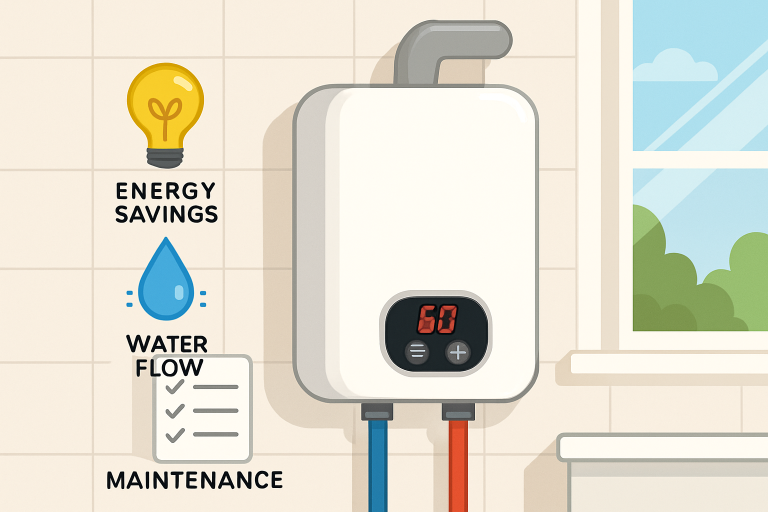
Regular maintenance is key to ensuring your water heater operates efficiently over time. Tasks such as flushing the tank, inspecting the anode rod, and checking for leaks should be part of your annual routine. Standard tank models typically last about 10 to 15 years with proper care, while tankless models can provide reliable service for up to 20 years. Considering the ease of maintenance and expected lifespan before purchasing will help minimize long-term costs and inconveniences.
Comparing Costs and Budgeting
The total cost of a water heater includes the initial purchase price, installation expenses, and ongoing operational costs. Energy-efficient models may have a higher upfront cost but can lead to significant savings through lower energy bills and available incentives. Develop a budget that accounts for both short-term expenditures and long-term savings, and be prepared for routine maintenance costs. This comprehensive approach ensures you maximize the value of your investment.
Consulting Professionals
Engaging licensed professionals brings valuable expertise to both the selection and installation processes. They can assess your home’s specific needs, recommend models that match your usage patterns and installation space, and assist in securing available rebates or credits. Professional installation ensures compliance with local codes and optimizes the efficiency and lifespan of your new unit.
Making the Final Decision
After conducting thorough research and consulting experts, select a water heater that meets your household’s hot water needs, energy-efficiency targets, and budget, while also meeting your home’s installation requirements. Consider factors such as tank size, fuel type, and long-term operating costs to ensure optimal performance. Choosing the right model not only guarantees a consistent supply of hot water for daily use but also helps lower energy bills, reduces maintenance issues, and provides peace of mind, making your investment both practical and efficient for years to come.
Veeramachineni Lalitha

I am Finance Content Writer. I write Personal Finance, banking, investment, and insurance related content for top clients including Kotak Mahindra Bank, Edelweiss, ICICI BANK and IDFC FIRST Bank. My experience details : Linkedin